If you’ve spent even five minutes on TikTok or Instagram Reels lately, chances are you’ve seen that potato. A knife slices through a perfectly roasted sweet potato, and out pours a molten river of Butterkäse cheese—slow, glossy, and unapologetically indulgent. The video loops, the cheese stretches, and suddenly the butterkäse potato is everywhere, cementing its place as the internet’s latest comfort food obsession.
For plant-based eaters, though, viral food trends like this usually land with mixed emotions. We watch the ooze, feel the craving, and then keep scrolling—because most versions rely on dairy-heavy cheese that’s clearly off-limits. The idea of a butterkäse potato vegan enough to rival the original often feels like wishful thinking, especially when so many “veganized” attempts fall flat with stiff shreds or oily puddles instead of a true melt.
That’s where Veganiac comes in. We don’t just admire food trends—we break them down, rebuild them, and make them better using plant-based culinary science. By rethinking the fat, the flavor, and the melt itself, we’ve created a butterkäse potato vegan version that delivers the same gooey satisfaction, without the dairy compromise. This isn’t a sad substitute—it’s a comfort food upgrade, and yes, it actually melts.
What Is the Butterkäse Potato Trend?
At its core, the Butterkäse potato trend is deceptively simple. A whole sweet potato—usually roasted until deeply caramelized—is sliced open and stuffed with thick slabs of Butterkäse cheese, then returned to the oven just long enough for the cheese to collapse into a molten center. When cut open on camera, the potato becomes an edible bowl of flowing cheese and soft, steamy flesh. It’s minimal, dramatic, and engineered for that one perfect reveal.
So why is it dominating social media right now? Because it hits every viral food trigger at once. The recipe is visually hypnotic, easy to recreate, and rooted in comfort—exactly the kind of content that thrives on TikTok and Instagram Reels. The slow knife cut, the cheese “lava,” and the contrast between crisp skin and creamy interior deliver instant sensory payoff, encouraging replays, saves, and shares across platforms.
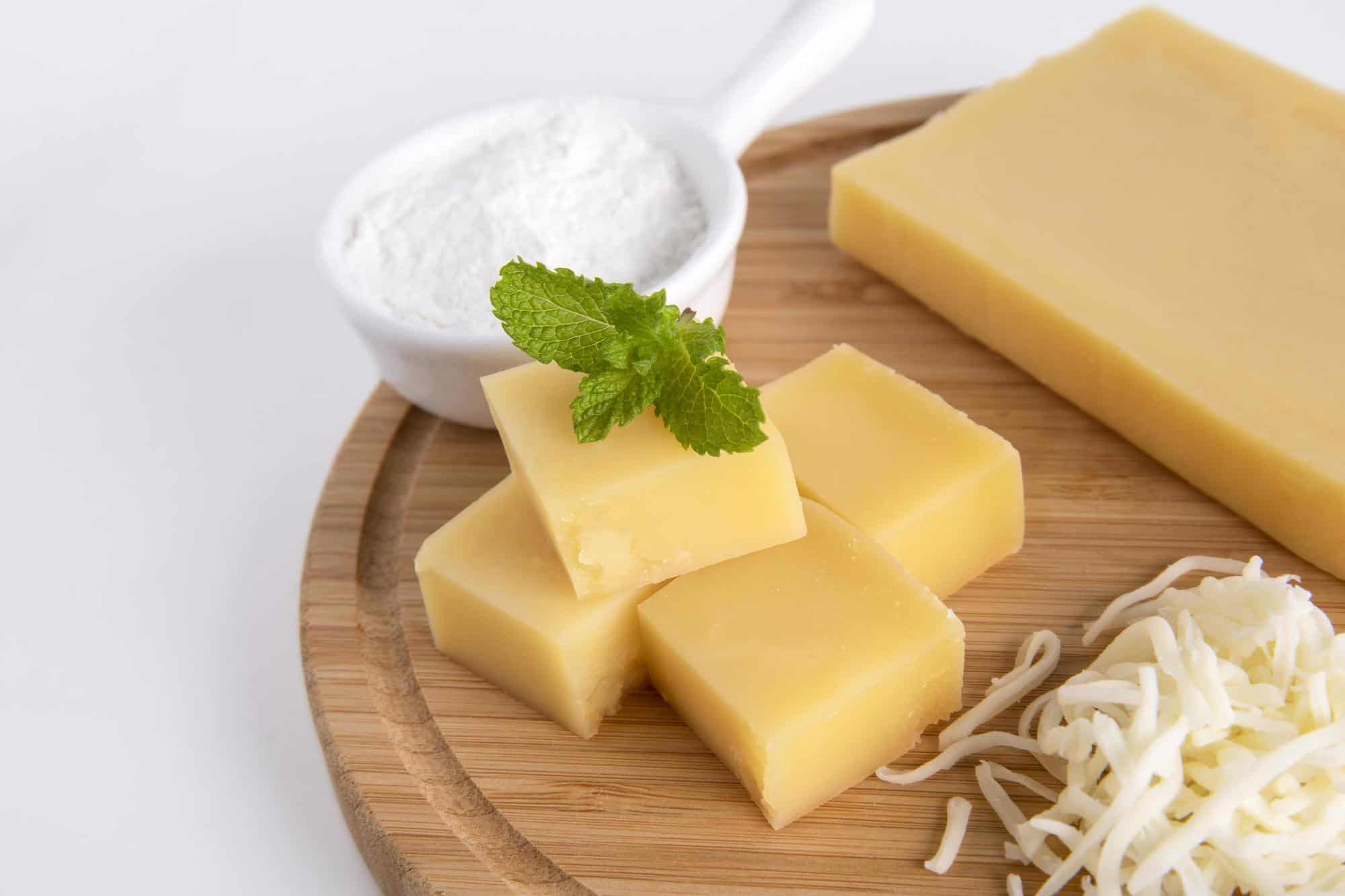
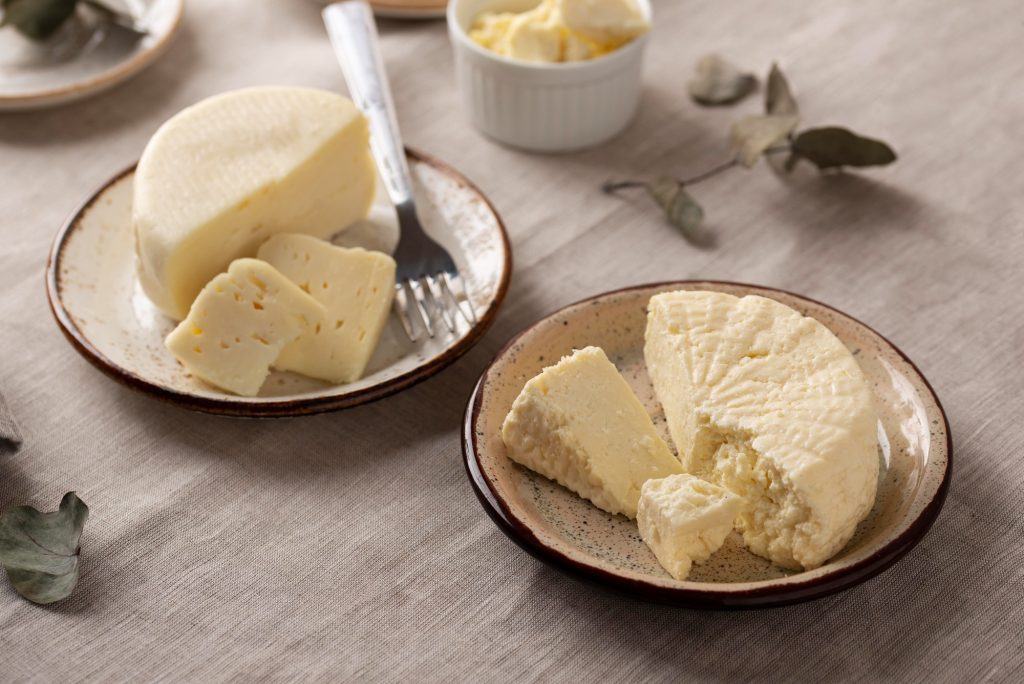
The real star of the trend, though, is the cheese itself. German Butterkäse—literally “butter cheese”—is prized for its high fat content and exceptionally smooth melt. Unlike cheeses that simply soften or stretch, Butterkäse liquefies into a rich, velvety sauce when heated. That unique meltability is what makes the original dish so addictive—and what makes recreating a true butterkäse potato vegan version such an interesting challenge.
Why the Butterkäse Trend Exploded on TikTok
Viral food trends don’t happen by accident—they’re engineered to trigger craving, curiosity, and replay value. The Butterkäse potato checks every one of those boxes, combining simple ingredients with maximum sensory payoff. From the choice of potato to the way the cheese melts and contrasts in flavor, every element is optimized for visual drama and emotional comfort. To understand why a butterkäse potato vegan version can work just as well, we need to break down what made the original so irresistible.
The Perfect Vessel — High-Starch Sweet Potatoes
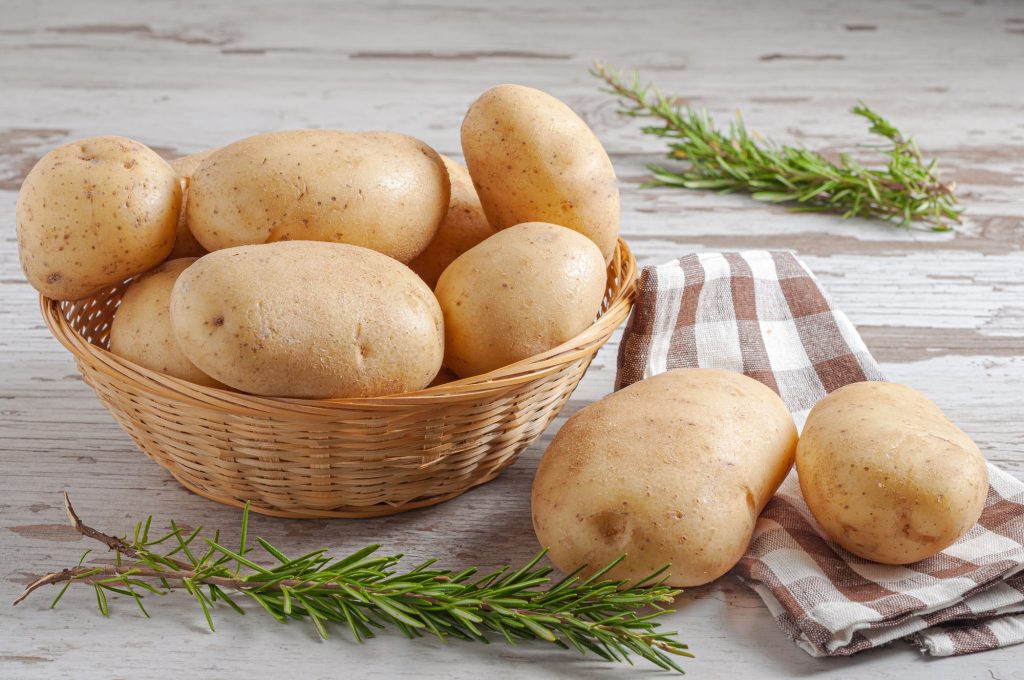
Not all sweet potatoes behave the same way in the oven, and the Butterkäse trend relies heavily on that difference. High-starch varieties—especially Japanese yams like Murasaki or Satsumaimo—roast up fluffy, dry, and deeply caramelized. This structure allows the potato to act like an edible bowl, holding molten filling without collapsing or turning watery, which is essential for that clean knife-cut moment seen in viral videos.
Japanese yams also offer a subtle sweetness that’s less sugary and more chestnut-like than orange sweet potatoes. This restrained sweetness gives the cheese room to shine, creating balance instead of cloying overload. For a butterkäse potato vegan remake, this same high-starch quality is crucial, since it provides both the heat and the structure needed to transform a plant-based filling into a silky, molten center.
The Cheese Pull Everyone Craves
The visual star of the trend is the cheese—and Butterkäse is uniquely suited for the role. With a fat content hovering around 50%, it doesn’t just soften when heated; it fully liquefies into a glossy, sauce-like melt. That’s why the cheese flows rather than stretches, creating that dramatic “lava” effect when the potato is sliced open.
This is also where most vegan attempts fail. Many plant-based cheeses are designed to shred and stretch, not to melt into a pourable sauce. Recreating the signature flow of the original requires matching fat, moisture, and heat response—key considerations when developing a butterkäse potato vegan that delivers the same sensory payoff without dairy.
Sweet vs Salty = Dopamine Gold
Beyond texture, the Butterkäse potato thrives on contrast. The natural sweetness of the roasted potato collides with the salty, fatty richness of the cheese, creating what food scientists often call a “swalty” flavor profile. This combination lights up the brain’s reward system, encouraging just one more bite—and one more replay of the video.
This sweet-salty tension is a major reason the dish feels so comforting and addictive. When done right, a butterkäse potato vegan can hit the same neurological sweet spot by pairing a subtly sweet, caramelized potato with a deeply savory, umami-rich plant-based melt. The result isn’t just a visual win—it’s a full sensory experience designed to keep people hooked.
Why Most Vegan Versions Fail (And How We Fixed It)
When most people attempt a butterkäse potato vegan remake, they reach for the most obvious substitute: a bag of store-bought vegan cheese shreds. It seems logical—shreds look like cheese, melt like cheese, and promise convenience. But once heat is applied, the illusion falls apart. Instead of turning into a smooth, molten center, the shreds either stiffen, clump, or release pools of oil that sit awkwardly on top of the potato.
The problem lies in how many commercial vegan cheeses are formulated. Most are built on refined oils and modified starches designed to mimic stretch, not liquefaction. When exposed to high heat, the fat separates from the starch matrix, resulting in greasy puddles and grainy textures rather than a cohesive sauce. For a dish that depends entirely on that flowing, buttery melt, this separation is fatal—and it’s why so many vegan versions miss the mark visually and texturally.
At Veganiac, we took a different approach by abandoning the idea of “vegan cheese” altogether and focusing instead on structure and flavor chemistry. Our solution uses whole-food fats from cashews for richness, white miso for fermented, aged depth, and tapioca starch for controlled thickening and stretch. When heat activates the tapioca, the mixture transforms into a glossy, spoonable melt—exactly what a proper butterkäse potato vegan needs to deliver that signature reveal.
This technique isn’t new to us; it’s rooted in the same principles behind our popular Vegan Blue Cheese Recipe, where fermentation and starch work together to create complexity and realism. By applying that method here, we’re not just copying a trend—we’re improving it. The result is a plant-based version that doesn’t compromise on texture, flavor, or visual drama, and finally gives the Butterkäse potato the vegan treatment it deserves.
The Secret Ingredient Isn’t Vegan Cheese — It’s Food Science
The reason this butterkäse potato vegan works has very little to do with imitation products and everything to do with understanding how food behaves under heat. Dairy cheese melts the way it does because of a precise balance of fat, protein, moisture, and fermentation. To recreate that experience without dairy, you don’t copy the ingredient—you replicate the function. That’s where food science quietly takes center stage.
Fermentation is the first key, and white miso does the heavy lifting. Made from fermented soybeans and rice, miso brings the deep, savory, slightly funky notes we associate with aged dairy. It adds complexity and umami that plain nuts or nutritional yeast alone can’t achieve. In a butterkäse potato vegan filling, miso mimics the “aged” flavor that gives Butterkäse its richness, without overpowering the natural sweetness of the potato.
Next comes tapioca starch, the unsung hero of vegan melting magic. Unlike cornstarch or flour, tapioca thickens into a glossy, elastic texture when heated. It creates viscosity without graininess and allows the sauce to flow rather than seize. This is what gives the cashew base its signature stretch and pour—essential for recreating the molten center that defines the original dish.
Finally, there’s heat activation, and the potato itself plays a crucial role. When the hot, freshly roasted sweet potato meets the blended cashew mixture, its residual heat triggers the tapioca starch instantly. The sauce thickens, turns silky, and becomes molten without ever going back into the oven. In other words, the potato isn’t just a container—it’s the final step in the chemistry that makes this butterkäse potato vegan truly melt.
Vegan Butterkäse Potato Recipe (Stuffed Japanese Yams)
Now that we’ve broken down the why, it’s time for the how. This butterkäse potato vegan recipe is designed to deliver the same molten, comforting payoff as the viral original—without dairy, shortcuts, or disappointing textures. Every step is intentional, from the choice of potato to the moment the filling transforms into liquid gold.
Recipe Overview
Prep Time: 10 minutes
Cook Time: 50 minutes
Servings: 2
This recipe looks dramatic, but it’s surprisingly low-effort. Most of the magic happens in the oven and blender, making it ideal for both weeknight comfort and impressive weekend cooking.
Ingredients
The Base
2 large Japanese sweet potatoes (Murasaki or Satsumaimo)
1 tablespoon olive oil
Sea salt flakes
Japanese yams are essential here. Their high-starch, fluffy interior creates the perfect structure for a butterkäse potato vegan, allowing the filling to melt without soaking through or collapsing the skin.
Chef’s note: If you’re craving something sweet instead, these same potatoes also pair beautifully with our Vegan White Chocolate Ganache—but today, we’re staying savory.
The “Liquid Gold” Garlic-Herb Melt
½ cup raw cashews, soaked in hot water for 30 minutes
½ cup unsweetened soy milk
2 tablespoons nutritional yeast
1 tablespoon white miso paste
1 teaspoon garlic powder
1 teaspoon tapioca starch
This blend is where the transformation happens. Together, these ingredients create the richness, depth, and meltability that make this butterkäse potato vegan feel indulgent rather than imitative.
Instructions (Step-by-Step)
Step 1: The Roast (Flavor Development)
Preheat your oven to 400°F (200°C). Wash and dry the potatoes, then poke them all over with a fork. Rub with olive oil and generously season with sea salt. Roast for 45–60 minutes until deeply caramelized.
Doneness test: Carefully squeeze the potato—it should feel soft and yielding all the way through, with no resistance at the center.
Step 2: The Alchemy (Cashew Melt)
While the potatoes roast, drain the soaked cashews and add them to a blender with the soy milk, nutritional yeast, miso, garlic powder, and tapioca starch. Blend until completely smooth.
Texture cue: The mixture should resemble thick pancake batter—silky, pourable, and free of grit. If it feels grainy, keep blending.
Step 3: The Surgery (Creating the Pocket)
Remove the potatoes from the oven and work while they’re still hot. Slice a slit lengthwise down the center, being careful not to cut all the way through. Use a fork to gently mash the interior against the skin, creating a pocket without tearing the structure.
Step 4: The Stuffing (Science Moment)
Pour the cashew mixture directly into the steaming potato. The residual heat instantly activates the tapioca starch, thickening the sauce into a glossy, molten center. This is the exact moment your butterkäse potato vegan becomes irresistibly gooey—no extra baking required.
Step 5: The Garnish & Balance
Finish with chopped chives for freshness and serve alongside spicy, acidic kimchi. The contrast cuts through the richness and keeps each bite balanced. For best results, pair with our Best Korean Kimchi to elevate the entire dish from comfort food to crave-worthy perfection.
Why This Vegan Butterkäse Potato Works So Well
What sets this butterkäse potato vegan apart from other plant-based versions is how closely its texture mirrors the dairy original. Instead of stiffening or separating under heat, the cashew-based filling melts into a smooth, flowing center that behaves more like a cheese sauce than a substitute. It pours, pools, and coats the potato in the same way Butterkäse does, delivering that unmistakable molten moment when the knife slices through.
Flavor is where this version quietly outperforms expectations. The combination of white miso and nutritional yeast creates layered savory notes that go beyond simple “cheesy” taste. Miso adds fermented depth and subtle funk, while nutritional yeast contributes a rounded umami backbone. Together, they give the butterkäse potato vegan a richness and complexity that feels intentional and satisfying, rather than like a compromise.
There’s also a visual intelligence baked into this recipe. The glossy melt, the contrast between pale gold filling and deep caramelized potato, and the slow ooze when cut open are all tailor-made for social sharing. This isn’t just vegan comfort food—it’s camera-ready comfort food that holds up in close-up shots and slow-motion cuts.
Ultimately, this dish works because it respects the mechanics of the original trend instead of fighting them. By matching melt, balance, and visual payoff, the butterkäse potato vegan doesn’t feel like an alternative—it feels like an evolution. One that’s just as indulgent, just as viral, and fully plant-based.

The Comfort Food Dopamine Trap (And Why We Crave It)
There’s a biological reason dishes like this butterkäse potato vegan feel so comforting. When fat and carbohydrates are eaten together, they stimulate dopamine release in the brain—the same chemical tied to motivation, pleasure, and reward. From an evolutionary standpoint, this combination signaled safety and abundance, which is why foods that are creamy, starchy, and warm feel instantly soothing.
Over time, though, that soothing effect can turn into a pattern. Comfort food becomes more than nourishment; it becomes a reliable way to regulate stress, fatigue, or emotional overload. Reaching for a rich, satisfying meal at the end of a long day isn’t a flaw—it’s a learned response. A dish like a butterkäse potato vegan doesn’t just feed hunger; it temporarily quiets the nervous system.
It’s important to approach this reality without guilt or judgment. Enjoying comfort food doesn’t mean something is “wrong,” nor does it cancel out mindful eating or health goals. Awareness simply gives us choice. We can savor indulgent foods for what they are—deeply pleasurable experiences—while also noticing when we’re using them to fill something other than hunger.
Comfort Food Feeds the Body — But What About Stress?
While a butterkäse potato vegan satisfies cravings and delivers that warm, indulgent hit of comfort, it doesn’t address the underlying stress or anxiety that often drives those cravings. Enjoying rich, satisfying food is a way to feed the body, but emotional patterns—like reaching for comfort food in response to tension—require their own kind of attention. Recognizing this gap is the first step toward balancing pleasure with well-being.
That’s where tools like MindShift Mentors come in. Designed to gently interrupt stress loops in the brain, their approach helps you notice patterns, manage reactions, and reframe stress without taking away the joy of food. Pairing mindful emotional regulation with indulgent, plant-based comfort allows the body and mind to benefit simultaneously, rather than forcing a choice between health and enjoyment.
It’s important to remember that MindShift Mentors isn’t a replacement for culinary pleasure—it’s a complement. The butterkäse potato vegan can still be savored fully, with all its gooey, dopamine-inducing glory, while emotional support practices help you respond to stress more consciously. Together, they create a more holistic approach to comfort, one that feeds both body and mind.
Free Tool to Break the Stress Loop
If you’ve ever found yourself reaching for comfort food night after night, a little guidance can make all the difference. MindShift Mentors offers a free session specifically designed to help interrupt habitual stress responses in the brain, teaching techniques to pause, reframe, and rewire your reaction to anxiety. It’s simple, practical, and grounded in neuroscience, giving you tools to manage stress without sacrificing the joy of indulgent
Frequently Asked Questions (FAQs)
1. Can I make a Butterkäse potato vegan version without cashews?
Yes! While cashews create the creamiest, most meltable filling, you can substitute blanched almonds or macadamia nuts for a slightly different flavor and texture. Keep in mind that the melt and stretch may be a bit less pronounced, so increasing the tapioca starch slightly can help achieve the same gooey effect.
2. What makes Japanese sweet potatoes the best choice for this recipe?
High-starch Japanese yams, like Murasaki or Satsumaimo, roast up fluffy and firm enough to hold the filling without collapsing. Their natural sweetness also balances the savory, umami-rich cashew-miso melt, which is essential for replicating the flavor contrast in a butterkäse potato vegan.
3. Can I prepare the cashew melt in advance?
Absolutely! The cashew-miso mixture can be blended up to a day ahead and stored in the refrigerator. Simply bring it to room temperature or warm gently before pouring into the roasted potatoes so it activates the tapioca starch properly and achieves that signature molten texture.
4. Why is tapioca starch important in a vegan Butterkäse potato?
Tapioca starch creates the stretchy, glossy, and thickened texture that mimics melted Butterkäse. It activates when exposed to heat, allowing the cashew-based filling to flow like dairy cheese without separating or becoming greasy—something most store-bought vegan cheeses cannot achieve.
5. How can I make this recipe more visually appealing for social media?
Presentation is key! Slice the roasted potato just before serving to reveal the molten filling, sprinkle fresh chives, and pair it with colorful sides like kimchi or roasted vegetables. Slow-motion cuts or overhead shots also capture the glossy pull of the butterkäse potato vegan, making it irresistibly shareable.
Conclusion
The butterkäse potato vegan proves that plant-based cooking can be just as indulgent, visually stunning, and satisfying as its dairy counterpart. By combining high-starch Japanese yams with a rich, umami-packed cashew-miso melt, this recipe delivers the creamy, molten experience that made the original viral—without compromising on flavor or texture. From the caramelized potato base to the glossy, stretchy filling, every element is carefully engineered to replicate the magic of Butterkäse while staying entirely plant-based. It’s comfort food that doesn’t feel like a compromise, and it’s perfect for sharing, snapping, or simply savoring at home.
Beyond the kitchen, this dish also reminds us why we crave comfort food and how indulgence intersects with emotion. While a warm, gooey potato feeds the body and releases dopamine, pairing it with mindful practices—like the free tools offered by MindShift Mentors—helps support emotional well-being and balance. In other words, you can enjoy the full sensory joy of a butterkäse potato vegan while also caring for your stress patterns, creating a more holistic approach to comfort that satisfies both body and mind.