Veganism is growing in popularity, and you might be curious about why. It’s not just about healthier eating—it’s also about improving your overall well-being and making ethical choices. Vegan food, also known as plant-based food, includes vegetables, fruits, and dairy alternatives instead of meat. Research shows that following a vegan diet can lower the risk of heart disease, prevent type 2 diabetes, and avoid animal cruelty. In this article, you’ll learn everything you need to know before starting your vegan journey.
What is Vegan?
Simply put, being vegan means avoiding all animal products in your diet. Some people take it further by not buying or using anything made from animals, like clothes, leather, or makeup, as they see it as a form of animal cruelty. While similar to vegetarians, vegans are different because vegetarians still consume products like milk, eggs, and honey that don’t require animal slaughter. If you’re thinking about becoming vegan for your health or other reasons, don’t worry—there are many supportive vegan communities to help you along the way.
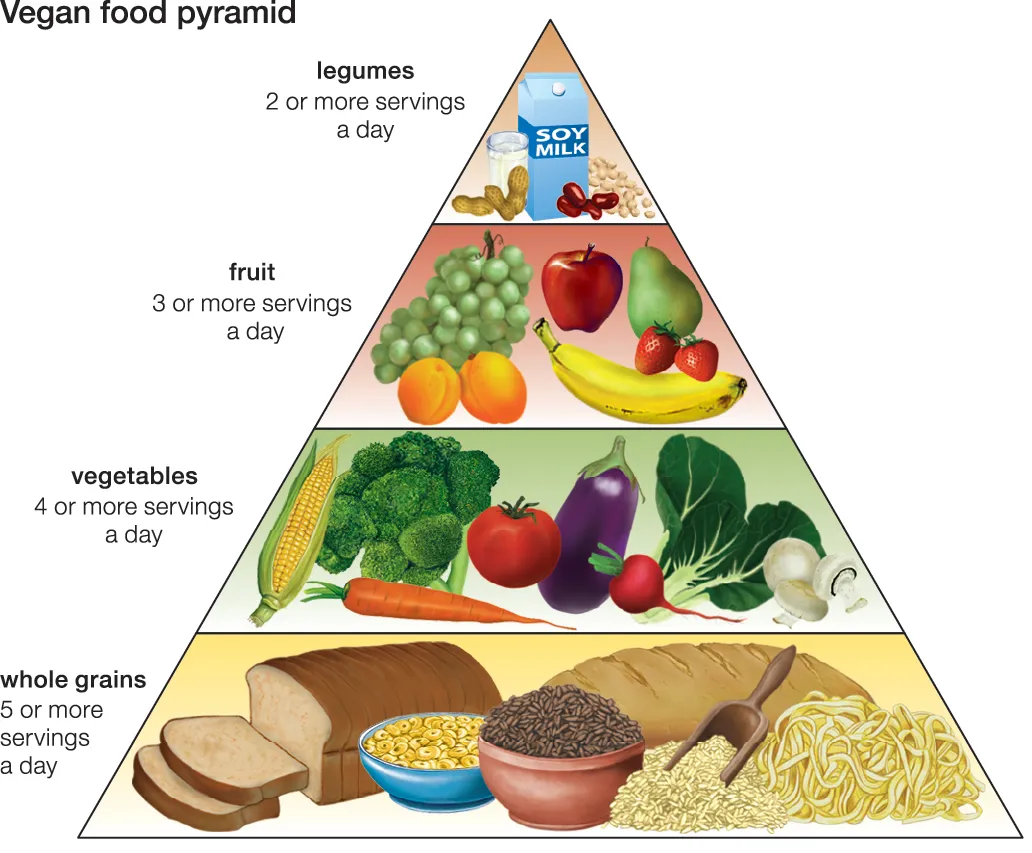
The Vegan Food Pyramid
If you’re curious about what vegans eat, the Vegan Food Pyramid is a simple guide. It helps you understand the key food groups for a balanced vegan diet.
At the bottom of the pyramid are whole grains like rice, oats, and bread. These provide energy and fiber. Above that are vegetables and fruits, which are packed with vitamins and should make up a large part of your meals. The next level includes legumes like beans and lentils, which are great for protein. You’ll also find nuts and seeds here, providing healthy fats.
At the top are plant-based fats, like olive oil and avocado, and fortified foods like plant milk, which give you nutrients like vitamin B12 and calcium. Following this pyramid helps vegans maintain a healthy and balanced diet.
 Why Go Vegan?
People choose to go vegan for health, ethical, and environmental reasons. A plant-based diet can improve overall health by lowering cholesterol, boosting heart health, and helping with weight management. Vegan diets are also rich in fiber and antioxidants, which can improve digestion compared to diets that include meat and dairy. These benefits make veganism an attractive option for those seeking a healthier lifestyle.
Transitioning from a non-vegan to a vegan diet can feel like a big change, but it doesn’t have to be difficult. Starting with small steps, such as replacing meat with plant-based proteins like tofu or beans, can make the process smoother. Many people find that gradually cutting out animal products while exploring new plant-based meals helps them adjust. Over time, this transition not only benefits personal health but also supports animal welfare and reduces the environmental impact of food production.
Can Vegan Food give us the Nurtritients that we need?
Yes, a well-planned vegan diet can provide all the essential nutrients your body needs. Plant-based foods like fruits, vegetables, grains, legumes, nuts, and seeds are rich in vitamins, minerals, and fiber. Protein, which many people associate with animal products, can easily be found in vegan sources like beans, lentils, tofu, and tempeh.
While most nutrients can be obtained from plant-based foods, there are a few nutrients like vitamin B12, iron, and omega-3 fatty acids that vegans should pay attention to. Vitamin B12, for example, is found mainly in animal products, so vegans often rely on fortified foods or supplements to ensure they meet their needs. With proper planning and awareness, vegan diets can offer balanced nutrition that supports overall health and well-being.
Can Vegan Food Provide Enough Protein?
While meat is often seen as the top source of protein, there are plenty of plant-based options that provide enough protein for a healthy diet. Foods like beans, lentils, chickpeas, tofu, tempeh, and quinoa are excellent vegan protein sources. These foods are not only rich in protein but also come with added benefits like fiber, vitamins, and minerals, which meat lacks.
For example, a cup of cooked lentils provides about 18 grams of protein, and tofu offers around 10 grams per serving. By including a variety of these foods in your meals, you can easily meet your daily protein needs without relying on meat. Many athletes and bodybuilders even follow vegan diets and achieve their protein goals through careful meal planning.
Here’s a list of vegan foods that are rich in protein:
- Lentils (18g per cup, cooked)
- Tofu (10g per 1/2 cup)
- Chickpeas (15g per cup, cooked)
- Black beans (15g per cup, cooked)
- Quinoa (8g per cup, cooked)
- Tempeh (15g per 1/2 cup)
- Edamame (17g per cup, cooked)
- Seitan (21g per 3 oz)
- Hemp seeds (10g per 3 tablespoons)
- Almonds (6g per ounce)
Can Vegan Take Food Supplements?
Yes, vegans can take food supplements, and in some cases, it’s beneficial to ensure they’re getting all essential nutrients. While a well-balanced vegan diet covers most needs, some vitamins and minerals, like vitamin B12, iron, and omega-3 fatty acids, may require supplements.
Here are some examples of supplements suitable for vegans:
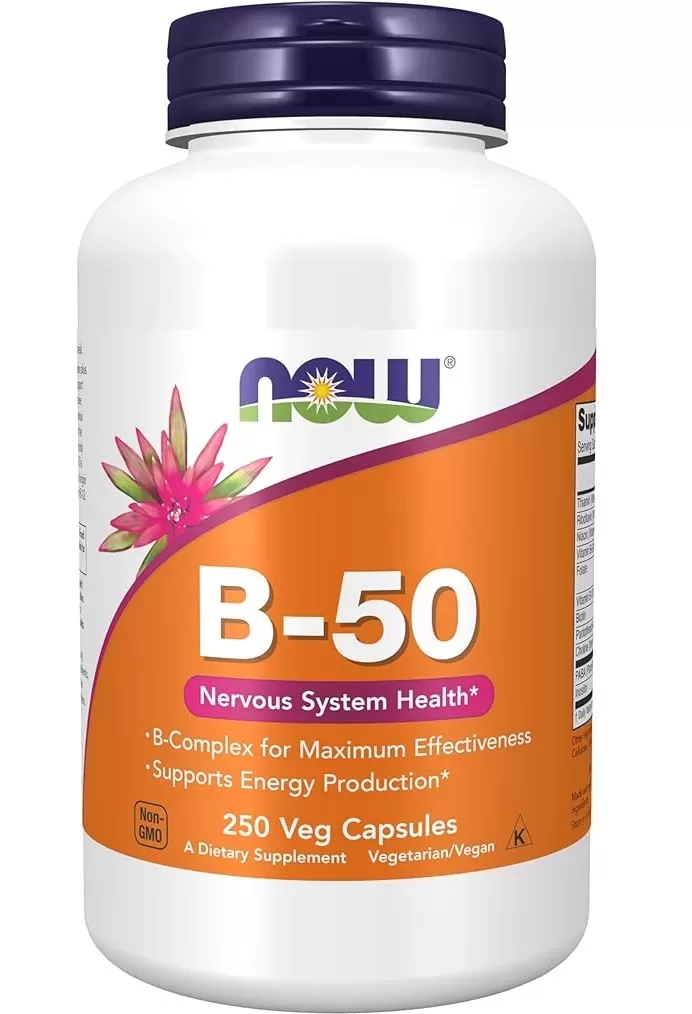
- NOW Vitamin B-50 mg, 250 Veg Capsules:
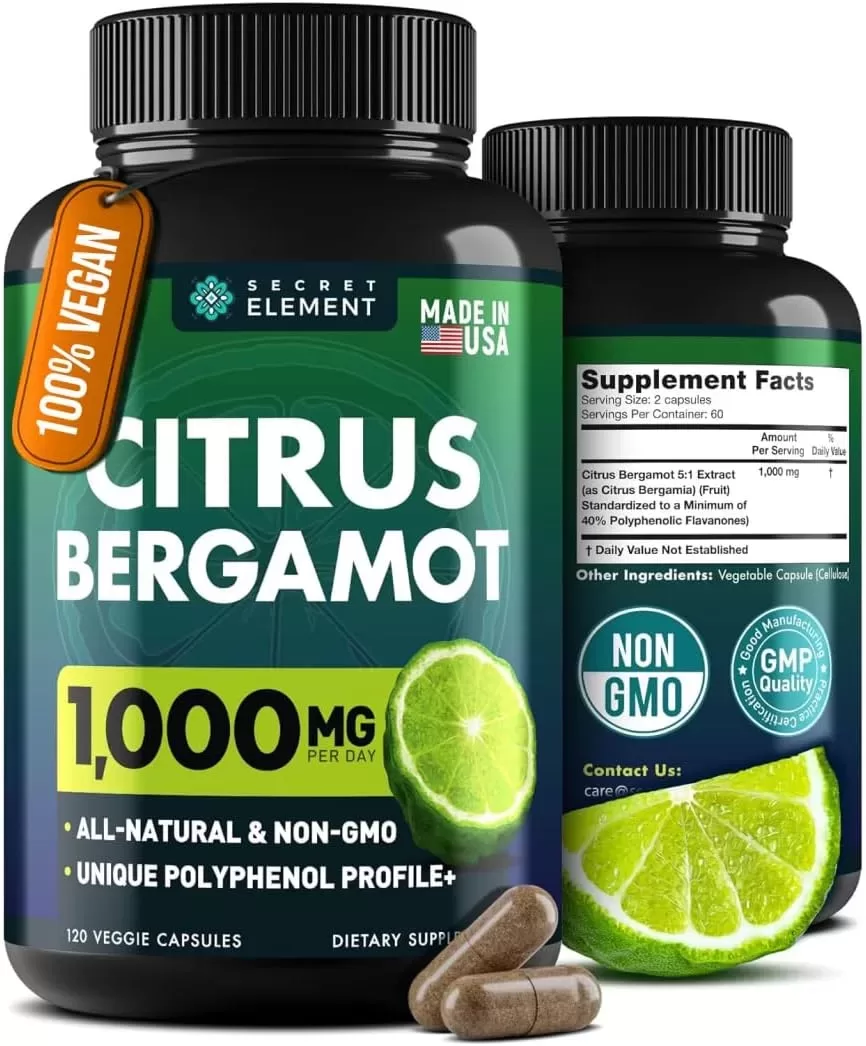
Provides essential B vitamins, including B12, which is important for energy and metabolism. Buy here - Secret Element Citrus Bergamot Extract 1000mg:
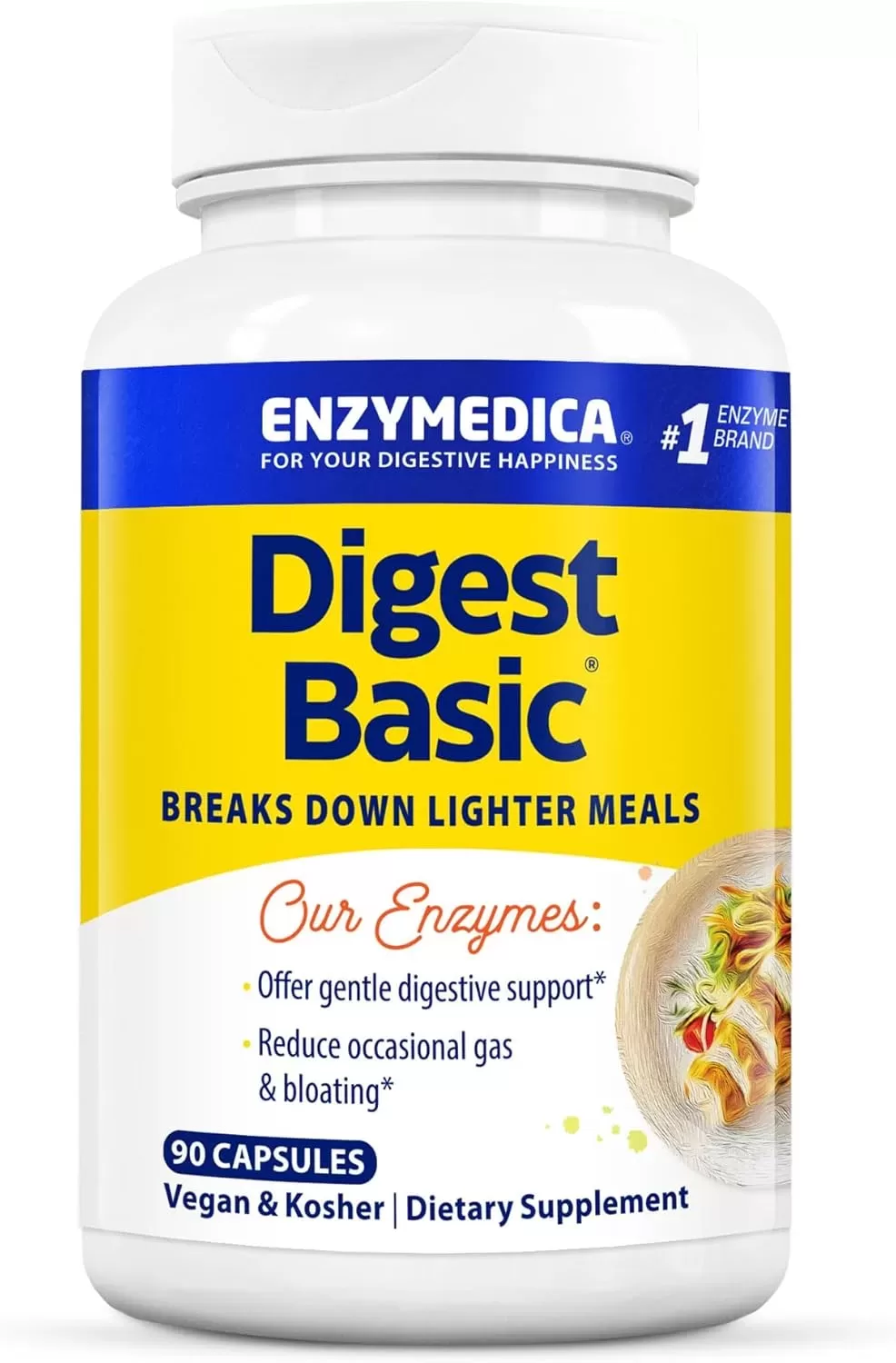
A natural supplement that supports healthy cholesterol levels and cardiovascular health. Buy here - Enzymedica Digest Basic, 90 Caps:
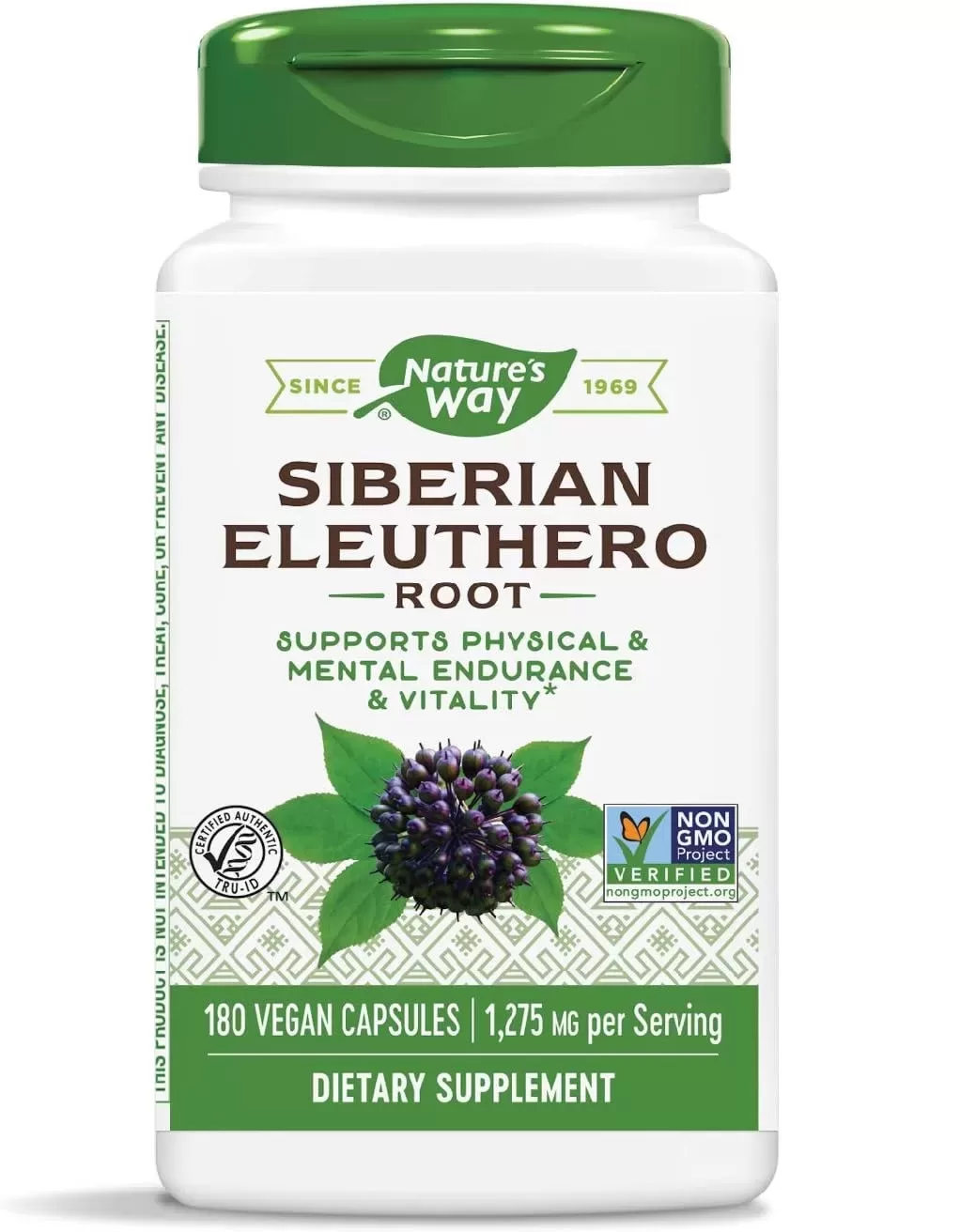
A digestive enzyme supplement to support better digestion, especially for those transitioning to a plant-based diet. Buy here - Nature’s Way Premium Herbal Siberian Eleuthero:
A herbal supplement that helps boost energy and improve overall vitality. Buy here
Incorporating supplements into a vegan diet can be a great way to ensure you’re meeting all your nutritional needs. With options like NOW Vitamin B-50, Secret Element Citrus Bergamot Extract, Enzymedica Digest Basic, and Nature’s Way Premium Herbal Siberian Eleuthero, vegans can easily maintain optimal health and energy levels. Just remember, it’s always a good idea to consult with a healthcare professional before adding new supplements to your routine.
Can Vegan Take Whey Protein?
No, vegans cannot take whey protein because it is derived from dairy, specifically the liquid byproduct of cheese production. Since whey is an animal product, it doesn’t align with a vegan diet. However, there are plenty of plant-based protein alternatives, such as pea protein, soy protein, and rice protein, which provide similar benefits without using animal-derived ingredients. These options are just as effective in meeting your protein needs while staying true to a vegan lifestyle.
What’s the Best Protein Alternative for Vegans Who Go to the Gym?
For vegans who go to the gym and want to stay fit and healthy, pea protein is one of the best alternatives to whey protein. It’s high in essential amino acids, including branched-chain amino acids (BCAAs), which are great for muscle recovery after workouts. Pea protein is also gentle on digestion, making it an excellent choice for people looking for plant-based options. Other good alternatives include soy protein, which is complete in amino acids, and hemp protein, which provides added healthy fats. These options can help you stay fit and meet your protein goals without relying on animal products.

Can Veganism Help You Lose Weight?
Yes, veganism can help with weight loss, but it depends on how the diet is balanced. A plant-based diet is typically lower in calories and saturated fats compared to a diet rich in animal products. Fruits, vegetables, whole grains, and legumes, which are staples of a vegan diet, are nutrient-dense and high in fiber, helping you feel full while consuming fewer calories.
However, it’s important to avoid highly processed vegan junk foods, which can still be high in calories and unhealthy fats. By focusing on whole, plant-based foods and maintaining portion control, veganism can be an effective way to manage weight and improve overall health.
How Easy Is It to Prepare Vegan Food?
Preparing vegan food can be very simple and quick, especially with the wide variety of plant-based ingredients available. Many vegan meals, like salads, stir-fries, and smoothies, can be made in just a few minutes with basic ingredients like vegetables, grains, legumes, and fruits. There are also plenty of convenient options, such as ready-made plant-based proteins like tofu, tempeh, and pre-cooked beans, which can save time in the kitchen.
With a bit of planning and creativity, preparing delicious vegan meals can be as easy as any other type of cooking. Plus, there are endless recipes and resources available to help you get started! Here’s an idea for a simple and nutritious vegan meal:
Quinoa and Chickpea Salad.
Ingredients: Total calories: 547
- 1 cup cooked quinoa (222 calories)
- 1/2 cup cooked chickpeas (134 calories)
- 1 cup fresh spinach (7 calories)
- 1/4 avocado (60 calories)
- 1 tbsp olive oil (120 calories)
- 1 tbsp lemon juice (4 calories)
- Salt and pepper to taste
Health Benefits:
- Quinoa provides protein, fiber, and essential amino acids.
- Chickpeas are rich in protein and fiber, promoting digestion.
- Spinach adds vitamins A and K for immune and bone health.
- Avocado offers healthy fats and supports heart health.
- Olive oil contributes to healthy fats, supporting heart function.
How to Prepare:
- Cook the quinoa according to package instructions and let it cool.
- In a large bowl, combine the cooked quinoa, chickpeas, and fresh spinach.
- Slice the avocado and add it to the salad.
- Drizzle the olive oil and lemon juice over the salad.
- Add salt and pepper to taste, then toss everything together.
This salad is quick to prepare and provides a great balance of essential nutrients. The quinoa offers complete protein and fiber, while chickpeas add plant-based protein and help keep you full. Spinach supplies vitamins A and K for bone health, and avocado gives you healthy fats and potassium for heart health. The olive oil and lemon juice not only enhance flavor but also contribute to heart health and immune support, making this a satisfying, energizing meal perfect for overall wellness.
What’s the Best Cookbook for New Vegans?
For those new to veganism, choosing the right cookbook can make the transition easier and more enjoyable. Look for cookbooks that focus on simple, beginner-friendly recipes using easily accessible ingredients. A great beginner vegan cookbook will also include nutritional information, meal prep tips, and guidance on how to create balanced meals. Here are four excellent cookbooks to get you started:
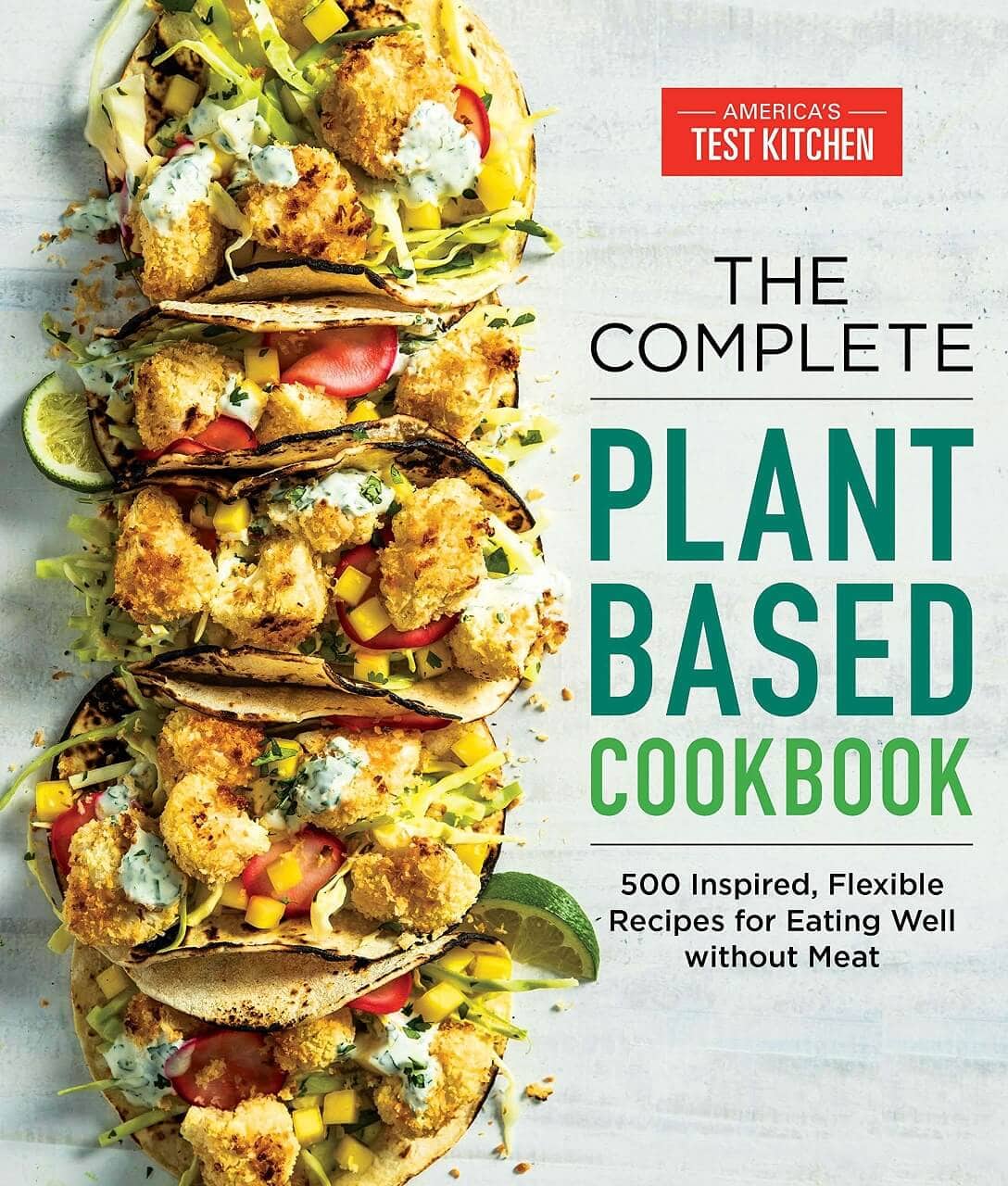
- The Complete Plant-Based Cookbook:
With over 500 easy and nutritious recipes, this book is an excellent resource for beginners. It offers a wide variety of plant-based meals, making it easy to create balanced and delicious dishes at home. Buy here - Forks Over Knives: The Cookbook by Del Sroufe:
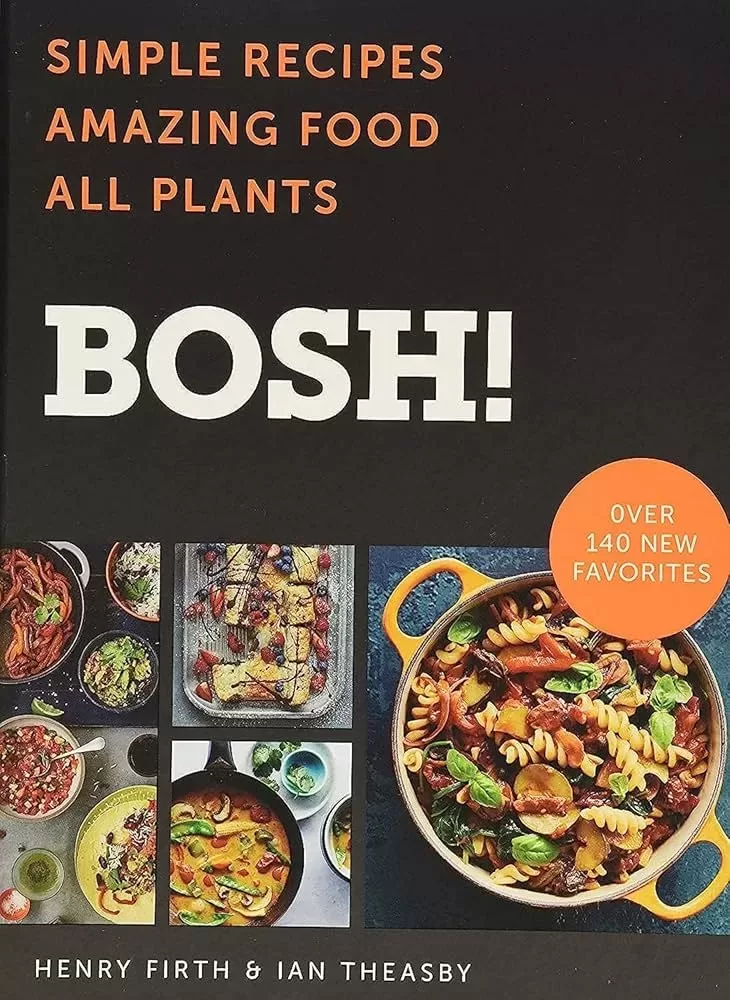
This cookbook focuses on whole-food, plant-based recipes designed to improve overall health. It includes 300 recipes that emphasize fruits, vegetables, and legumes, making it ideal for those looking to transition to a healthier lifestyle. Buy here - BOSH! Simple Recipes. Amazing Food. All Plants. by Henry Firth & Ian Theasby:
Known for its fun and flavorful recipes, this book brings over 140 plant-based dishes to your kitchen. It’s perfect for creating quick, satisfying meals without spending too much time cooking. Buy here - The Korean Vegan Cookbook by Joanne Lee Molinaro:
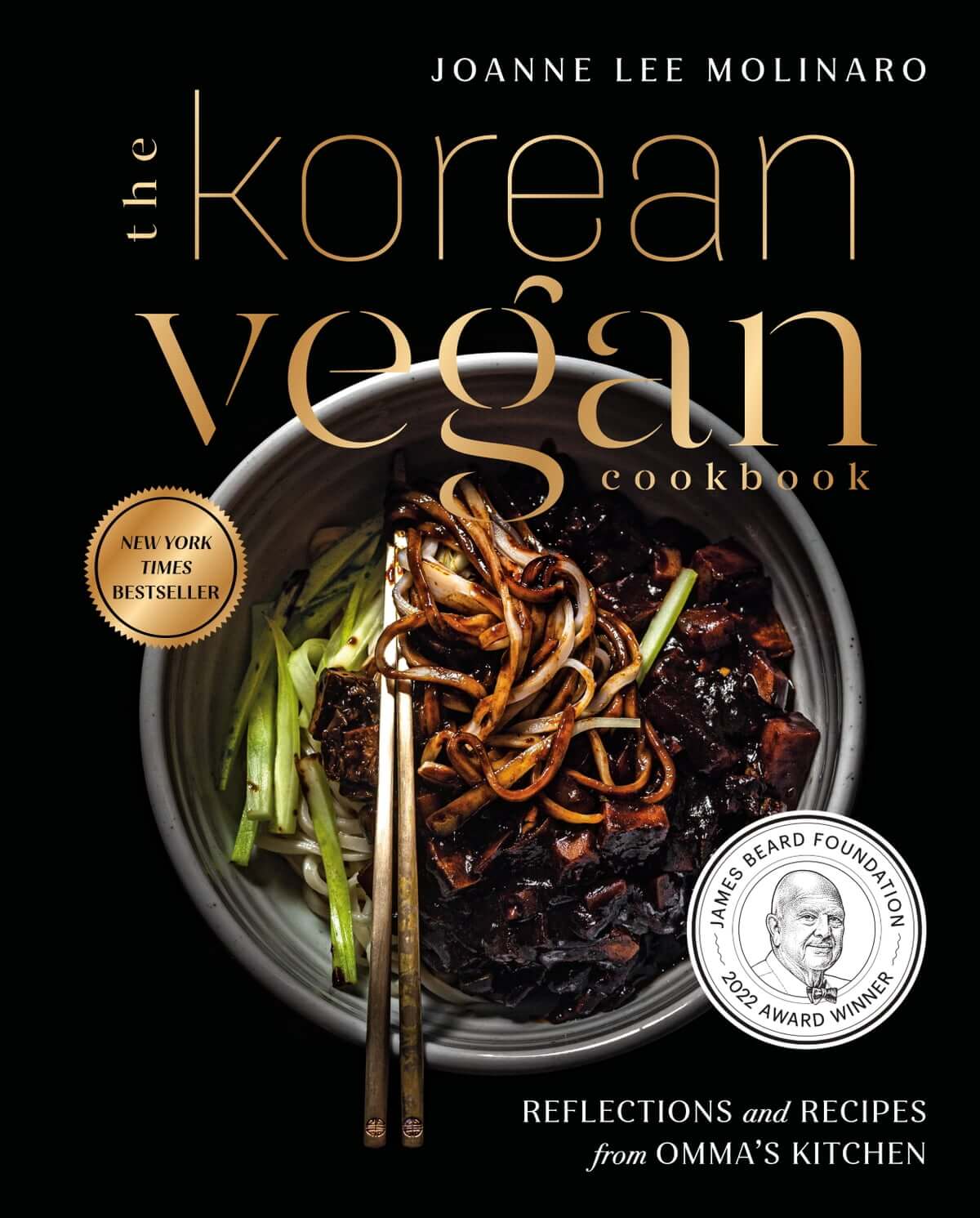
This cookbook offers 80 vegan recipes inspired by traditional Korean cuisine. It’s great for anyone wanting to explore new flavors while keeping their diet plant-based. Buy here
Cooking at home is a great way to ensure you’re eating healthy, balanced vegan meals. It gives you control over ingredients and nutrition, helping you meet your health goals. Plus, trying new recipes makes meal prep more enjoyable and adds variety to your diet.
What Restaurants Should Vegans Go To?
When choosing a restaurant as a vegan, look for places that offer plant-based or vegan-friendly menus. Many restaurants now have specific vegan options or dishes that can easily be customized. Focus on those that serve meals with whole foods like grains, vegetables, legumes, and plant-based proteins such as tofu or tempeh. Even non-vegan restaurants often allow substitutions like plant-based milk or meat alternatives, so check the menu for adaptable options. Asking the staff for modifications or checking online menus beforehand can help you find suitable choices for your vegan diet.
Is It Okay to Eat at Restaurants That Serve Meat but Offer Vegan Options?
Yes, it’s perfectly fine for vegans to eat at restaurants that also serve meat, as long as they offer vegan options. Many places cater to both vegan and non-vegan customers, and you can request modifications to ensure your meal is completely plant-based. Some vegans prefer dining at exclusively vegan establishments to avoid cross-contamination, but this is a personal preference. If you’re concerned, it’s a good idea to ask the restaurant how they prepare their vegan dishes to make sure they align with your dietary choices.
How Long Does It Take to Adapt to a Vegan Diet?
The time it takes to adapt to a vegan diet can vary from person to person. Some people may feel comfortable after a few weeks of gradual changes, while others might take several months to fully adjust. It depends on your current eating habits and how quickly you’re willing to replace animal products with plant-based alternatives. Starting slowly by adding more vegan meals into your routine can make the transition easier and less overwhelming.
Your body will also need time to adjust to the new nutrients you’re getting from plant-based foods. Some people experience more energy, improved digestion, and overall better health within a few weeks, but it’s important to ensure you’re eating a balanced diet. Focus on getting enough protein, iron, and vitamin B12 through foods or supplements to help your body adapt smoothly to the vegan lifestyle.
Vegan Foods You Can Easily Find at the Supermarket (and What to Avoid)
Transitioning to a vegan diet can feel overwhelming, but thankfully, supermarkets now offer a wide variety of vegan products to make the switch easier. From plant-based proteins to dairy-free alternatives, there are plenty of options that can replace traditional animal-based foods. Whether you’re looking for quick meals, snacks, or ingredients to cook with, the following vegan foods are readily available at most supermarkets.
Here’s a list of common vegan foods you can buy:
- Tofu: A versatile, protein-rich option for stir-fries, soups, or grilled dishes.
- Tempeh: A fermented soy product, great for sandwiches, stir-fries, or salads.
- Plant-based milk: Almond, soy, oat, or coconut milk to replace dairy in drinks or recipes.
- Vegan cheese: Dairy-free alternatives made from nuts or soy, perfect for pizza or sandwiches.
- Vegan meat substitutes: Burgers, sausages, and nuggets made from soy, seitan, or pea protein.
- Legumes: Canned or dried beans, lentils, and chickpeas, high in protein and fiber.
- Frozen fruits and vegetables: Convenient for smoothies, stews, or side dishes.
- Whole grains: Quinoa, brown rice, oats, and other grains for healthy, filling meals.
- Vegan snacks: Chips, granola bars, and cookies labeled as vegan.
- Vegan yogurt: Dairy-free yogurt made from almond, soy, or coconut for a quick snack.
What to Avoid as Vegan:
- Gelatin: Often found in candies, marshmallows, and some yogurts, made from animal bones.
- Whey and casein: Common in many processed foods, both are derived from dairy.
- Honey: Used in some granola, snacks, and sauces, honey is an animal-derived product.
- Lard: Found in some baked goods, such as pie crusts and certain pastries, made from animal fat.
By being mindful of both the products you include and those you avoid, you can ensure your vegan diet is balanced, nutritious, and fully plant-based. Always check ingredient labels for hidden animal-derived products like gelatin, whey, or lard, especially in processed foods. Many supermarkets now provide clear labeling for vegan products, making it easier than ever to find suitable options. With a little practice, you’ll be able to confidently navigate the grocery aisles, stocking up on nutritious vegan foods while steering clear of ingredients that don’t align with your lifestyle.
Getting the Right Nutrients from a Vegan Diet
Ensuring you get essential nutrients on a vegan diet is vital for good health. Calcium supports strong bones and teeth, vitamin B12 is needed for energy and brain function, iron helps carry oxygen in the blood, and omega-3 fatty acids promote heart and brain health. These nutrients can be found in plant-based foods and supplements to maintain a balanced diet.
- Calcium: Found in fortified plant-based milk (like almond, soy, and oat), tofu, and leafy greens such as kale and broccoli.
- Vitamin B12: Not naturally available in plant foods, so it’s important to consume fortified foods like nutritional yeast, plant-based milks, or take a B12 supplement.
- Iron: Found in beans, lentils, chickpeas, spinach, and quinoa. Pairing these with vitamin C-rich foods like citrus fruits helps improve iron absorption.
- Omega-3 fatty acids: Sourced from flaxseeds, chia seeds, hemp seeds, and walnuts. You can also take algae-based supplements to ensure adequate intake.
- Protein: Easily found in legumes, tofu, tempeh, seitan, and whole grains like quinoa.
By planning meals around these nutrient-rich foods and incorporating fortified products or supplements, vegans can maintain a well-balanced diet. This approach is also beneficial for pregnant or breastfeeding women, as they can meet their increased nutritional needs with a well-planned vegan diet, supporting both their health and the baby’s development.
Final Thoughts
It’s not easy to transition to a vegan diet, but it’s all worth it because of the long-term benefits for both your health and the planet. While giving up familiar animal-based products can be challenging, the rewards include improved energy, better digestion, and a lower risk of chronic diseases like heart disease and diabetes. With a well-planned vegan diet, you can nourish your body with plant-based foods that are rich in essential nutrients.
Beyond personal health, adopting a vegan lifestyle contributes to reducing animal cruelty and minimizing your environmental footprint. By choosing plant-based foods, you’re supporting more sustainable food production methods that help conserve water, reduce deforestation, and lower greenhouse gas emissions. Though the transition may take time, the positive impact on your well-being and the world makes it all worth it in the end.
Best-Selling Vegan Cookbooks

Comments are closed.