
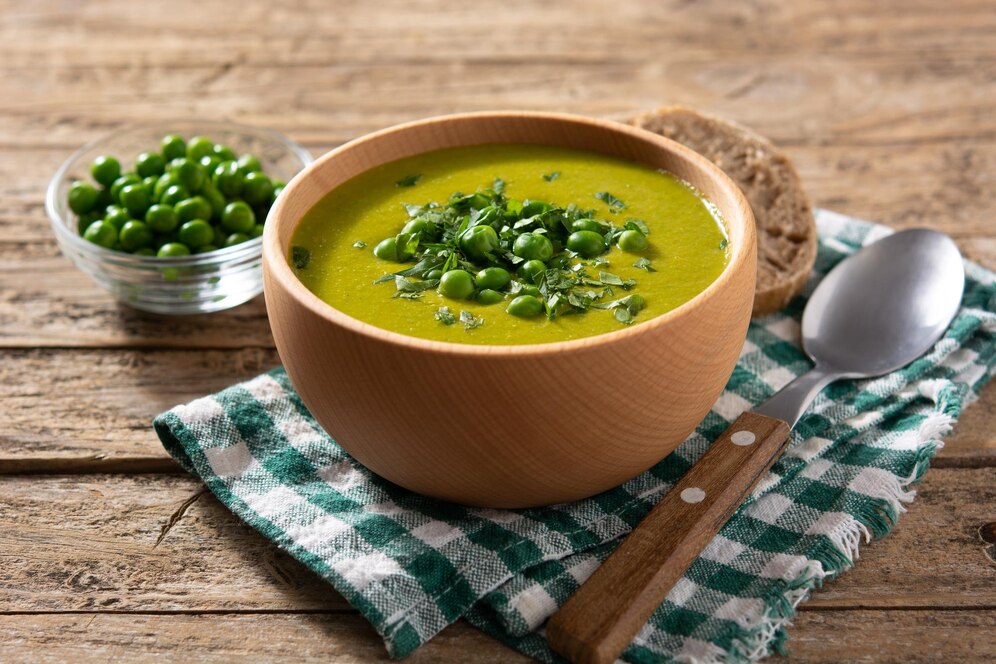
Imagine a vibrant green bowl brimming with the essence of springtime – a symphony of sweet peas and invigorating mint that awakens your senses. This fresh spring pea and mint soup recipe offers a surprisingly simple yet elegant way to capture the season’s best flavors. Whether you’re curious about crafting a classic or exploring exciting variations, this delightful soup promises a refreshing and nourishing experience.
Craving a taste of this verdant delight? Discover how to create this vibrant soup using fresh, seasonal ingredients, or even a quick and easy version with pea and mint soup made with frozen peas. We’ll also explore the secrets behind achieving the signature flavors championed by culinary icons like pea and mint soup Jamie Oliver, pea and mint soup BBC, and pea and mint soup Mary Berry. Plus, we’ll even peek at globally inspired twists, from a unique fresh spring pea and mint soup chinese influence to the trusted guidance of fresh spring pea and mint soup bbc good food, all while highlighting why this healthy pea and mint soup is a fantastic addition to your table. Dive in and unlock the secrets to this irresistible springtime creation!
Ingredients:
- 1 tablespoon olive oil
- 1 medium onion, chopped
- 2 cloves garlic, minced
- 4 cups fresh or frozen peas (if using frozen, no need to thaw)
- 4 cups vegetable broth
- 1/2 cup fresh mint leaves, packed
- 1/4 cup nutritional yeast (for cheesy flavor)
- 1 tablespoon lemon juice
- Salt and freshly ground black pepper to taste
- Optional garnishes: fresh mint sprigs, a swirl of vegan cream, croutons
Details:
- Preparation Time: 10 minutes
- Cooking Time: 20 minutes
- Total Time: 30 minutes
- Serving Size: 4-6 servings
- Estimated Cost (US Market): $8 – $12 (depending on ingredient sourcing and seasonality)
Procedure:
Step 1: Sauté the Aromatics
Heat the olive oil in a large pot or Dutch oven over medium heat. Add the chopped onion and cook until softened and translucent, about 5-7 minutes. Stir in the minced garlic and cook for another minute until fragrant, being careful not to burn it.
Step 2: Add Peas and Broth
Pour in the vegetable broth and add the fresh or frozen peas to the pot. Bring the mixture to a boil, then reduce the heat to low, cover, and simmer for 10-15 minutes, or until the peas are tender.
Step 3: Blend the Soup
Remove the pot from the heat. Carefully transfer the soup to a blender (working in batches if necessary) or use an immersion blender to blend until smooth and creamy. Be cautious when blending hot liquids.
Step 4: Add Mint and Nutritional Yeast
Return the blended soup to the pot. Stir in the fresh mint leaves and nutritional yeast. Heat gently for a few more minutes, allowing the mint to wilt slightly and infuse its flavor into the soup. The nutritional yeast will add a subtle cheesy and umami note.
Step 5: Season and Finish
Stir in the lemon juice. Season the soup generously with salt and freshly ground black pepper to your taste. Heat through if needed.
Step 6: Serve
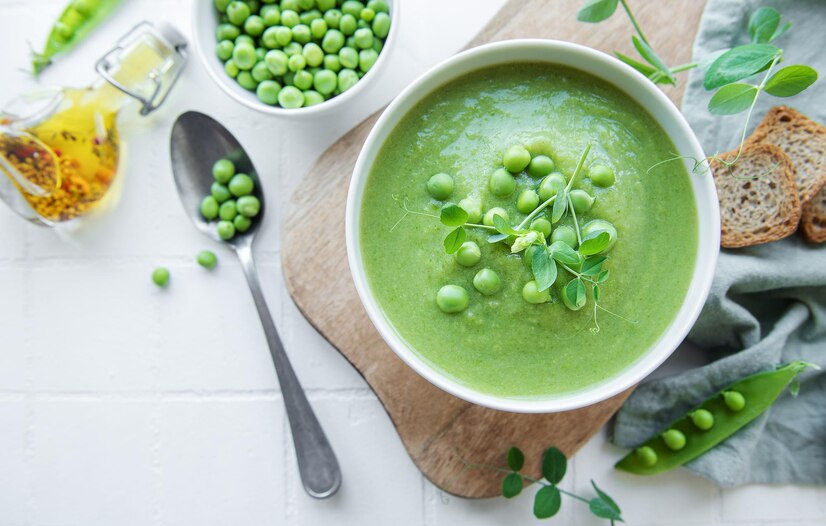
Ladle the hot soup into bowls. Garnish with fresh mint sprigs, a swirl of vegan cream, or croutons, if desired. Enjoy this vibrant and healthy Fresh Spring Pea and Mint Soup!
Storing Leftovers
Allow the soup to cool completely before storing it. Once cooled, transfer the leftover soup to an airtight container. It’s best to divide it into individual serving sizes for easier reheating later.
Properly stored in the refrigerator, this Fresh Spring Pea and Mint Soup will last for 3 to 5 days.
For longer storage, the soup can be frozen. Transfer the cooled soup to freezer-safe containers, leaving some headspace as liquids expand when frozen. It can be frozen for up to 3 months. Thaw frozen soup in the refrigerator overnight before reheating.
Reheating Instructions for Best Taste
Stovetop: This is the recommended method for reheating pea and mint soup as it helps maintain the best flavor and texture.
- Pour the leftover soup into a saucepan.
- Heat over medium-low heat, stirring occasionally to ensure even heating and prevent sticking.
- If the soup has thickened in the refrigerator or after thawing, you can add a little water or vegetable broth to reach your desired consistency. Start with a small amount (e.g., 1/4 cup per serving) and add more as needed.
- Heat until the soup is piping hot throughout. Avoid boiling, as this can dull the vibrant green color and potentially alter the flavor.
- Taste and adjust seasoning (salt, pepper, lemon juice) if necessary before serving.
Microwave: While quicker, reheating in the microwave can sometimes affect the texture.
- Pour the desired amount of leftover soup into a microwave-safe bowl.
- Cover the bowl loosely with a microwave-safe lid or vented plastic wrap.
- Heat on medium power for 1-2 minutes, then stir.
- Continue heating in 30-second intervals, stirring after each, until the soup is hot throughout.
- Be cautious as the soup can get very hot in certain spots. Let it stand for a minute before serving.
- You may also need to add a splash of water or broth to restore the desired consistency.
Important Note: Reheat the soup only once for the best quality.
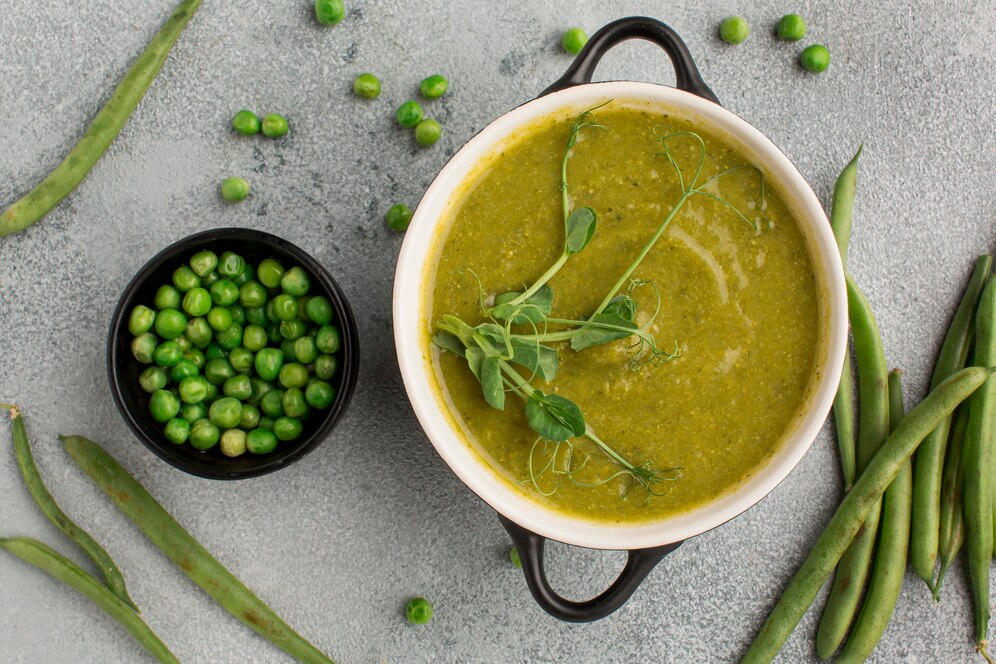
Nutrition Facts
Please note that these values are estimates and can vary based on the specific ingredients used, their quantities, and the serving size.
| Nutrient | Amount Per Serving (Estimated) | % Daily Value* |
| Calories | 150-200 kcal | – |
| Total Fat | 5-8 g | 6-10% |
| Saturated Fat | <1 g | <5% |
| Cholesterol | 0 mg | 0% |
| Sodium | Varies (add to taste) | Varies |
| Total Carbohydrate | 20-25 g | 7-9% |
| Dietary Fiber | 6-8 g | 21-29% |
| Total Sugars | 5-8 g (naturally occurring) | – |
| Protein | 6-8 g | 12-16% |
| Vitamin A | Varies | Varies |
| Vitamin C | Varies | Varies |
| Vitamin K | Varies | Varies |
| Folate (Vitamin B9) | Varies | Varies |
| Iron | Varies | Varies |
| Potassium | Varies | Varies |
The % Daily Value (DV) tells you how much a nutrient in a serving of food contributes to a daily diet. 2,000 calories a day is used for general 1 nutrition advice. Your daily values may be higher or lower depending on your 2 calorie needs.
Important Considerations:
- Vegetable Broth: The sodium content will vary significantly depending on the type and brand of vegetable broth used. Choose a low-sodium option if you are watching your sodium intake.
- Nutritional Yeast: Nutritional yeast contributes protein, B vitamins, and trace minerals. The exact amounts can vary by brand.
- Fresh vs. Frozen Peas: The nutritional content of fresh and frozen peas is generally very similar.
- Garnishes: The addition of garnishes like vegan cream or croutons will alter the nutritional profile, especially the fat and calorie content.
- Serving Size: This table provides estimates for a single serving. If your serving size is larger or smaller, the nutritional values will adjust accordingly.
This table provides a general overview. For more precise nutritional information, you would need to analyze the specific brands and quantities of each ingredient used in your recipe using a nutrition analysis tool or database.
Dietary Information
This Fresh Spring Pea and Mint Soup recipe, as presented, is inherently vegan as it contains no animal products.
Gluten-Free: This recipe is naturally gluten-free. All the ingredients listed (peas, mint, onion, garlic, vegetable broth, olive oil, nutritional yeast, lemon juice, salt, and pepper) do not contain gluten. Ensure that the vegetable broth used is certified gluten-free if you have a strict gluten intolerance.
Keto: This recipe is not suitable for a ketogenic diet due to the high carbohydrate content of peas. Ketogenic diets typically restrict carbohydrate intake to a very low level (usually under 50 grams of net carbs per day) to promote ketosis. Peas are relatively high in carbohydrates.
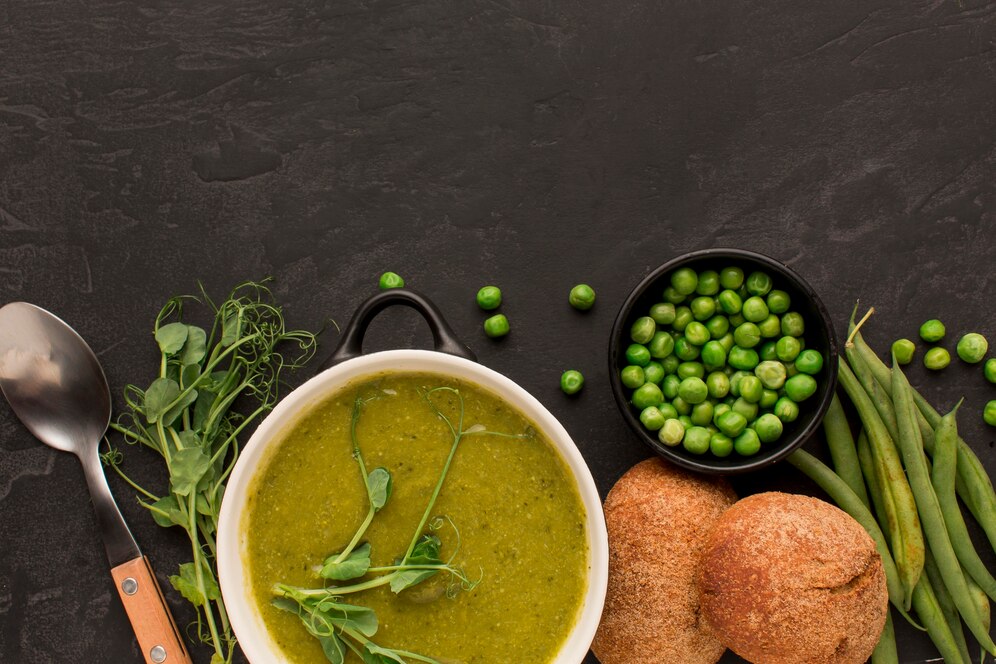
The History of Fresh Spring Pea and Mint Soup
Fresh Spring Pea and Mint Soup has roots in traditional European cuisine, where peas have been a staple ingredient for centuries. The combination of peas and mint became popular due to their complementary flavors, offering a refreshing and vibrant taste. Historically, pea soups were often thick and hearty, but the addition of mint and lighter preparations transformed them into a springtime favorite.
Over time, chefs refined the recipe, incorporating fresh herbs and smooth textures to enhance its appeal. Today, it remains a beloved dish, celebrated for its simplicity, seasonal freshness, and bright green color.
Is pea and mint soup good for you?
Yes, pea and mint soup can be a nutritious addition to your diet. It’s typically low in fat and calories while offering a good source of vitamins, particularly vitamin K and folate from the peas and mint. The peas also contribute a decent amount of fiber and plant-based protein, promoting satiety and digestive health. Furthermore, the fresh herbs like mint add antioxidants, which can help protect your body against cell damage.
What is the difference between split pea soup and pea soup?
The primary difference between split pea soup and “pea soup” often lies in the type of peas used and the resulting texture. Split pea soup, as the name suggests, is made with dried split peas, which break down significantly during cooking, creating a thicker, often smoother consistency.
Traditional “pea soup” can sometimes refer to a soup made with fresh or dried whole peas, potentially resulting in a less creamy and more chunky texture with visible pea pieces. Additionally, split pea soup frequently includes smoked meat like ham or ham hocks for flavor, while other pea soups might be vegetarian or use different flavorings.
Final Thoughts
This vibrant Fresh Spring Pea and Mint Soup offers a delightful taste of the season in a bowl, proving that simple ingredients can create something truly special. Whether you opt for fresh or frozen peas, the combination of sweet peas and refreshing mint is both invigorating and nourishing. This versatile recipe is not only easy to prepare but also caters to various dietary preferences, being naturally vegan and gluten-free. So embrace the freshness of spring and bring this delightful soup to your table for a light and healthy meal.