
Easy AIP Banana Pancakes Recipe
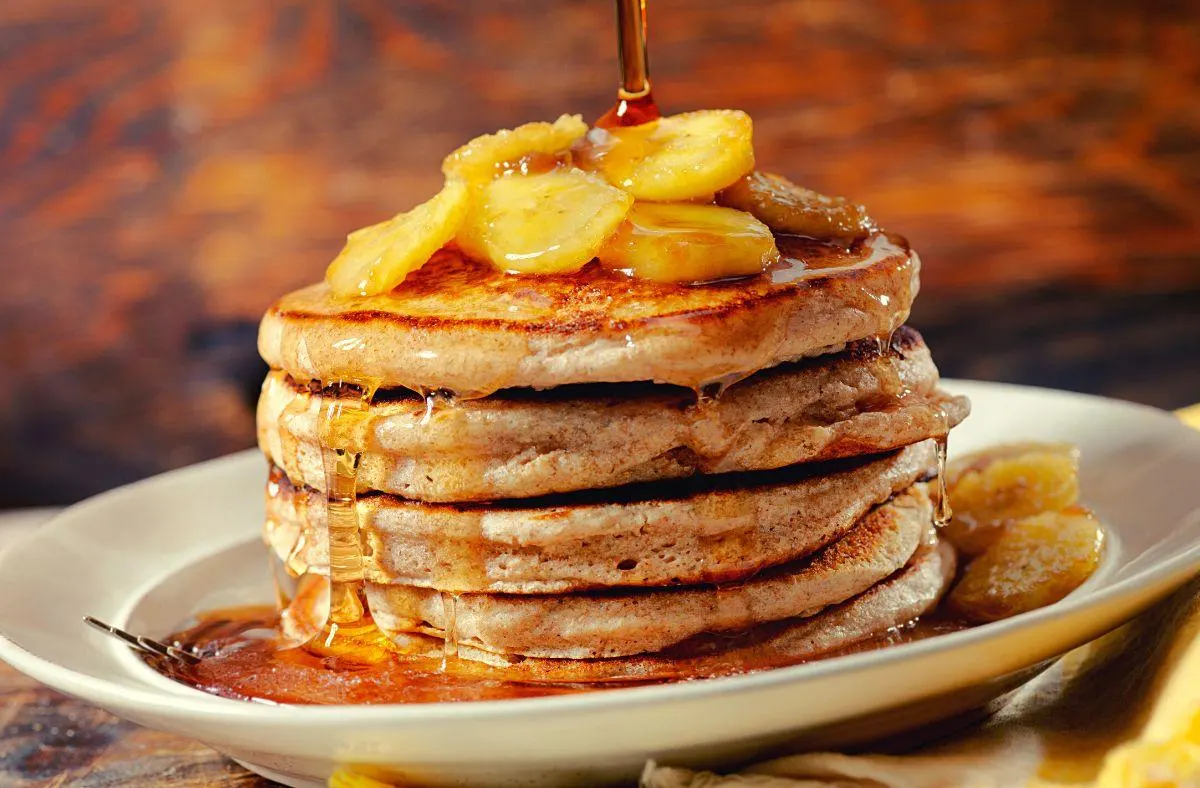
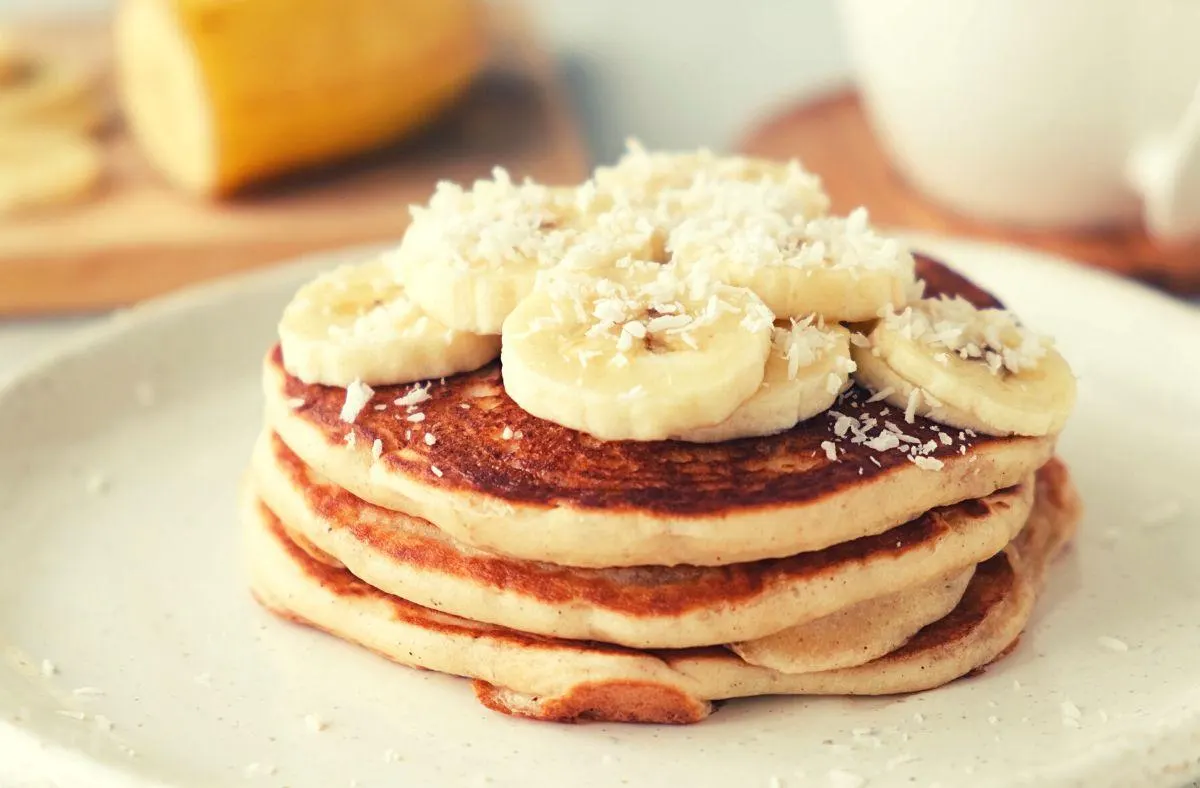
AIP banana pancakes swap eggs and grain flour for ripe banana, cassava flour, tiger nut flour and tapioca starch, blended with full-fat coconut milk. They cook in a few minutes in coconut oil over medium-low heat and come out soft rather than airy. No eggs, grains, dairy, nuts or seeds, so they fit an autoimmune protocol elimination phase.
If you like them, the same ripe banana trick carries our oat bars and our banana muffins.
What is the AIP Diet?
The Autoimmune Protocol (AIP) diet is a highly restrictive elimination diet designed to identify and address food sensitivities that may contribute to autoimmune conditions. By removing common inflammatory foods, such as grains, dairy, legumes, nightshades, eggs, seafood, nuts, and seeds, the AIP diet aims to reduce inflammation. It has gained popularity among people with autoimmune conditions like Hashimoto’s thyroiditis, rheumatoid arthritis, and inflammatory bowel disease, though it remains a relatively new approach and the research base is small.
MindShift Mentors · 7 nights free
It’s 9pm and you’re not even hungry
The kitchen light goes on anyway. Fifteen minutes of guided audio a night, aimed at the pattern rather than the willpower.
Try 7 nights freeThat’s me, most nights
The AIP protocol is an elimination diet, so it is normally followed under supervision and for a set period rather than indefinitely. Anything to do with a diagnosis belongs with your doctor rather than a recipe page. However, it’s important to note that more research is needed to fully understand the long-term effects of the AIP diet.
While the AIP diet can be effective for some, it is crucial to consult with a healthcare professional before starting this or any restrictive diet. The extreme restrictions of the AIP diet can make it challenging to follow long-term, and it may not be suitable for everyone. It’s essential to work with a qualified healthcare provider to create a personalised dietary plan that meets your specific needs and goals.
What is Cassava Flour?
Cassava flour is milled from the root of the cassava plant, the same root sold in greengrocers as yuca. It is a versatile gluten-free flour that adds a unique texture and flavour to AIP pancakes. While coconut flour is a popular choice for AIP baking, cassava flour offers a slightly different taste and nutritional profile.
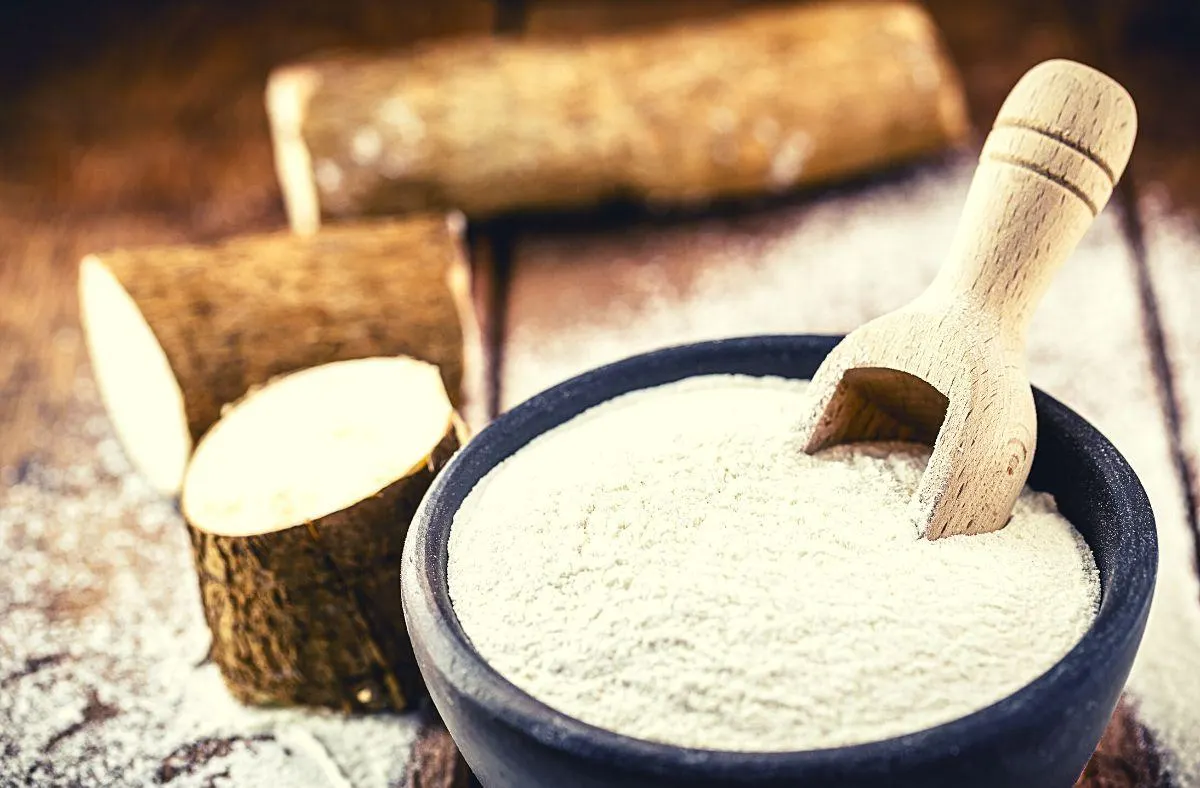
With its fine consistency and minimal flavour, cassava flour helps thicken the pancake batter, contributing to a hearty and satisfying breakfast. However, it’s important to note that cassava flour is high in carbohydrates, so those following a strict low-carb diet may want to adjust their intake accordingly.
Tips & Tricks for AIP Banana Pancakes
How should you blend the batter?
Blend the ingredients in the correct order: liquids first, followed by dry ingredients, and finally the banana. Avoid overblending, as this can lead to a tough texture. A brief blend of 15 seconds is usually sufficient.
What is the best way to cook them?
Melt coconut oil in a large skillet over low to medium heat. Use a small spoon to portion the batter onto the skillet, creating small pancakes about the size of a coin purse. Gently press down on each pancake with the back of a spoon to ensure even cooking.
When should you flip AIP pancakes?
Resist the urge to flip the pancakes too soon. Allow them to cook slowly and steadily for about 3 minutes, or until the centre begins to set. This patience will result in fluffy, well-cooked pancakes.
Avoid Overcrowding
To maintain optimal cooking conditions, avoid overcrowding the skillet with pancakes. Cook them in batches, adding a bit of coconut oil to the skillet before each batch to ensure proper browning and texture.
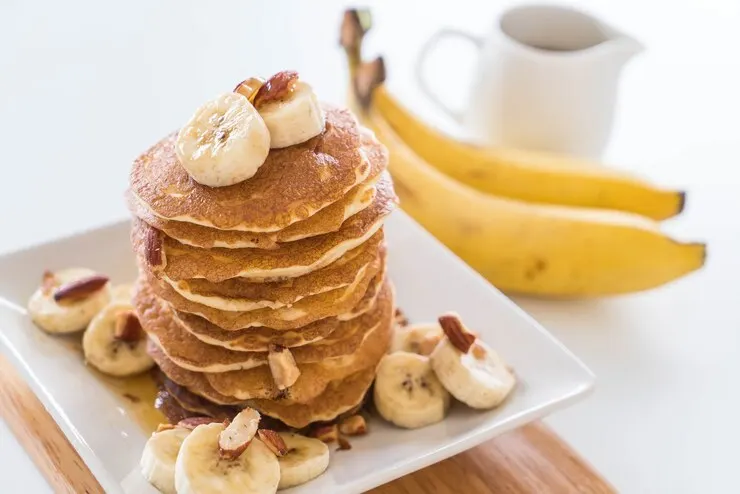
How to Make AIP Banana Pancakes
Ingredients:
- Coconut oil, for frying
- 1/2 teaspoon baking soda
- 1/2 teaspoon sea salt
- 1 teaspoon pure vanilla extract
- 1.5 tablespoons apple cider vinegar
- 1/2 cup (65 g) cassava flour
- 3/4 cup (180 ml) full-fat coconut milk
- 3/4 cup (90 g) tiger nut flour
- 1/4 cup (30 g) tapioca starch
- 1 large ripe banana
Carob Sauce (Optional):
- A few drops of pure vanilla extract
- 1/4 teaspoon salt
- 2 tablespoons melted coconut oil
- 2 tablespoons carob powder
- 2 tablespoons maple syrup
Instructions:
Pancakes:
- Combine all pancake ingredients in a blender and process briefly until just combined. The batter should be thick.
- Heat coconut oil in a large nonstick skillet over medium-low heat.
- Spoon batter onto the skillet, forming small pancakes about 6 cm (2.5 inches) in diameter. Cook until bubbles form on the surface and the edges begin to set, then flip and cook until golden brown.
Carob Sauce:
- In a small saucepan, whisk together all sauce ingredients.
- Simmer over medium heat for 3 minutes, stirring constantly.
- Transfer the sauce to a jar, let it cool to room temperature, and then refrigerate. Reheat as needed before serving.
Serve pancakes with fresh fruit and carob sauce, if desired.
Additional Tips
Leftover pancakes can be stored in an airtight container in the refrigerator for up to 3 days. Reheat them gently in a toaster or skillet. You can also freeze cooked pancakes. Place them in a freezer-safe bag and freeze for up to 3 months. Reheat them from frozen in a toaster or skillet.
Toppings are worth playing with. Try fresh berries, sliced banana, or a drizzle of maple syrup. You can also make a quick berry sauce or a coconut cream sauce to spoon over the top.
Pancakes Too Dry: If your pancakes are too dry, it’s likely due to overcooking or insufficient moisture in the batter. To prevent this, cook the pancakes over medium-low heat and avoid overcooking. Additionally, ensure that you’ve used enough liquid ingredients, such as coconut milk, in the batter.
Pancakes Too Wet: If your batter is too runny, the pancakes may spread too thin and become difficult to flip. To thicken the batter, add another spoonful of cassava flour or tapioca starch. Alternatively, you can let the batter rest for a few minutes to allow the flour to absorb the liquid.
Pancakes Don’t Hold Together: Pancakes that fall apart usually need more binding or more time in the pan. Cassava, tiger nut flour and tapioca contain no gluten, so there is nothing to hold the crumb together except the banana and the starch. Mash the banana well, add another tablespoon of tapioca starch, and leave each pancake alone until the edges have set before you turn it.
Nutritional Breakdown
To provide the most accurate nutritional information, it’s recommended to use a nutrition analysis tool like Cronometer or MyFitnessPal. Input the specific ingredients and quantities used in your recipe to get a personalised breakdown. Keep in mind that nutritional values can vary slightly based on specific brands, ingredient variations, and portion sizes.
Estimated Nutritional Information per Serving (Approximate):
| Nutrient | Amount per Serving |
|---|---|
| Calories | 200-250 |
| Total Fat | 10-15g |
| Saturated Fat | 5-8g |
| Cholesterol | 0mg |
| Sodium | 100-150mg |
| Total Carbohydrate | 20-25g |
| Dietary Fibre | 3-5g |
| Total Sugars | 5-10g |
| Protein | 5-7g |
Remember: These are estimated values and may vary. The nutritional content can be influenced by factors like the specific brands of ingredients used and the exact portion sizes. For a more precise analysis, consider using a nutrition tracking app or consulting with a registered dietitian.
Tip: To lower the carbohydrate content, you could swap some of the cassava flour for coconut flour, which absorbs far more liquid. Expect a drier, more crumbly pancake if you do.
Dietary Restrictions
This AIP banana pancake recipe suits a few different eating patterns. It’s built to be AIP-friendly, so it leaves out the grains, dairy, legumes, nightshades, eggs, nuts and seeds that the Autoimmune Protocol removes. It is also Paleo-friendly, as it excludes grains and legumes.
It is naturally gluten-free, which makes it an option for people with coeliac disease or gluten sensitivity. Check the packet on your cassava flour and tapioca starch if you are coeliac, since some brands are milled in facilities that also handle wheat.

Tired, but your mind won’t switch off?
Try a guided sleep audio session from MindShift Mentors. Listen for 15 to 20 minutes at bedtime.
One session, free for seven nights. No credit card.
Results vary. Designed to sit alongside professional care rather than replace it.
Final Thoughts
These AIP banana pancakes are a straightforward breakfast for anyone following the Autoimmune Protocol. Whole-food ingredients, no eggs, and about ten minutes at the stove. Change the toppings and the sauce to keep them interesting week to week.
Whether you’re new to the AIP diet or well into it, these pancakes are a versatile addition to your meal plan.
FAQs
What does banana substitute in pancakes?
Bananas can substitute for eggs in pancakes. They add moisture and sweetness to the batter, creating a fluffy texture. Other substitutes include applesauce, mashed sweet potato, or yoghurt.
Why do my banana pancakes fall apart?
Your banana pancakes may fall apart due to overmixing the batter, not cooking them long enough, or using too much banana. Overripe bananas can also make the batter too runny. To prevent this, mix the batter gently, cook until set, and use less banana or a thicker batter.
Can I make these without cassava flour?
You can, but the texture shifts. Arrowroot flour is the closest AIP swap, used in the same quantity, and it gives a slightly softer pancake. Coconut flour also works but absorbs roughly three times as much liquid, so start with a third of the amount and add coconut milk until the batter is thick but still pourable.
Why are my banana pancakes rubbery?
Rubberiness in banana pancakes often occurs due to overcooking. Cooking them too long can dry out the batter, leading to a tough texture. To prevent this, cook the pancakes until bubbles form on the surface and the edges are set, then flip and cook for a short time on the other side.
- aip banana pancake recipe
- easy banana pancake