
How to Make Vegan Blue Cheese | Ingredients & Recipe
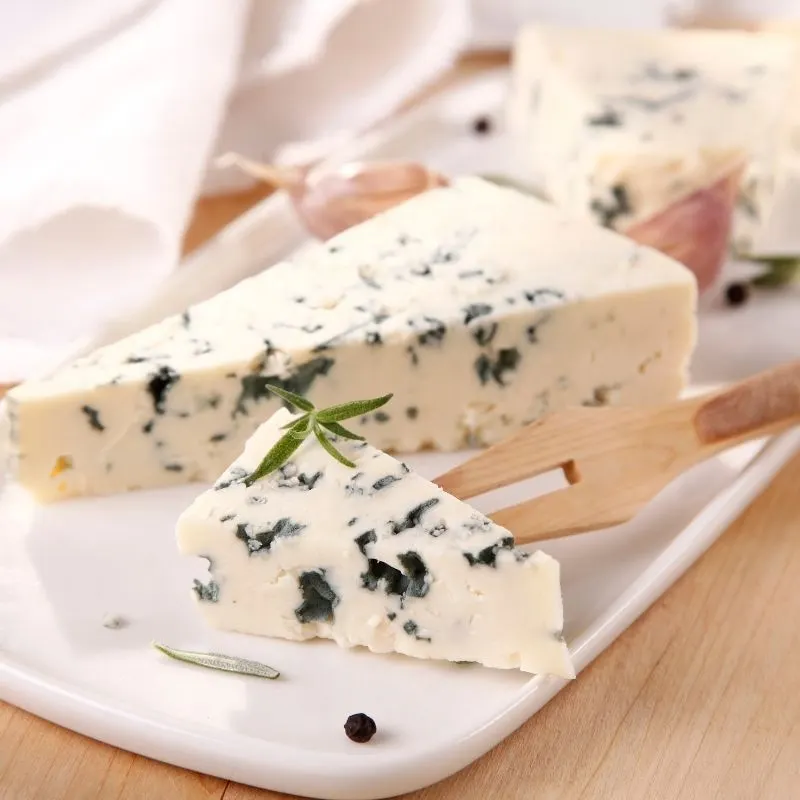
Vegan blue cheese comes from soaked cashews blended with coconut oil, apple cider vinegar and white miso, then streaked with spirulina for the blue-green veining. It sets in the fridge over 24 hours, creamy enough to spread and firm enough to slice, with the bold tangy flavour that miso and vinegar build together. Use it in dressings, on crackers or through salads.
Ingredients:
- 2 cups raw cashews (280 g), soaked
- ¼ cup melted coconut oil (60 ml)
- 3 tbsp apple cider vinegar (ACV)
- 3 tbsp white miso paste
- 1 tsp onion powder
- ½ tsp garlic powder
- ¼ tsp spirulina (for the blue-green streaks)
- 1 ½ tsp salt
Method
- Soften the Cashews: Soak cashews in water for at least 6 hours, or boil them in a pot of water for 10 minutes until soft. This helps achieve a smooth, creamy consistency in the cheese. Once soft, drain and rinse with cool water.
- Blend Ingredients: In a blender or food processor, combine softened cashews, coconut oil, ACV, miso paste, onion powder, garlic powder, and salt. Blend until smooth and creamy, scraping down the sides as needed. The mixture should be thick and slightly sticky, resembling traditional blue cheese in texture. Taste and adjust salt if needed.
- Prepare the Mould: Line your mould with parchment paper, plastic wrap, or use a silicone mould. Mini springform pans work well for small cheese wheels. Be creative with shapes for fun presentations - mini logs or rounds are great options.
- Shape: Spread about half of the cashew mixture into the mould, smoothing it out evenly. Creating a base layer first helps add an even blue-green streak pattern in the next step.
- Add Spirulina Streaks: Sprinkle a small amount of spirulina powder in streaks over the first layer of cashew mixture. This creates the signature blue-green lines found in traditional blue cheese. Add the remaining cashew mixture on top and smooth it out. For more defined streaks, add a few more spirulina streaks to the top layer and swirl gently with a toothpick or knife for a marbled effect.
- Set the Cheese: Cover the mould and refrigerate for at least 24 hours to allow the cheese to firm up. For a stronger flavour and firmer texture, you may refrigerate it for up to 3 days. The longer it chills, the tangier and firmer it will become.
- Serve: Once set, remove the cheese from the mould and slice as desired. Serve with bread, crackers, or as a salad topping. It also works wonderfully melted in sauces, making it versatile for recipes like vegan blue cheese pasta or as a unique dip for vegetables.
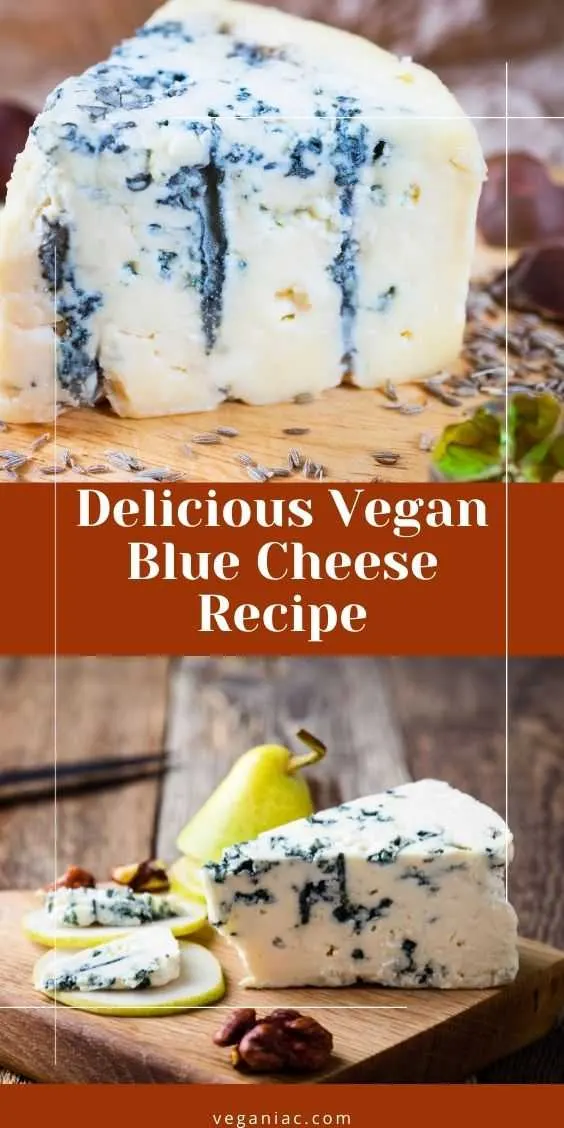
How to Make Vegan Cheese: A Simple Guide
Making vegan cheese is a simple and fun process. Instead of using dairy cream or milk like traditional cheese, vegan cheese uses plant-based ingredients. The most common replacements for cream or milk are nuts, like cashews, almonds, or macadamia nuts. When soaked and blended, these nuts become smooth and creamy, creating a great base for vegan cheese.
Other options include coconut milk, soy milk, or plant-based yoghurt, depending on the type of cheese you want to make. These dairy-free alternatives give the cheese the creamy texture it needs while staying completely vegan.
MindShift Mentors · 7 nights free
It’s 9pm and you’re not even hungry
The kitchen light goes on anyway. Fifteen minutes of guided audio a night, aimed at the pattern rather than the willpower.
Try 7 nights freeThat’s me, most nights
To add flavour, ingredients like nutritional yeast are often used to give the cheese a cheesy taste. Lemon juice, vinegar, and spices are also added to give it a tangy, savoury flavour, just like regular cheese. With a few easy steps, you can make your own dairy-free cheese at home.

Tired, but your mind won’t switch off?
Try a guided sleep audio session from MindShift Mentors. Listen for 15 to 20 minutes at bedtime.
One session, free for seven nights. No credit card.
Results vary. Designed to sit alongside professional care rather than replace it.
Frequently Asked Questions (FAQs)
What is vegan blue cheese made of?
Soaked cashews for the body, coconut oil to set it, white miso and apple cider vinegar for the tang, and a pinch of spirulina streaked through for the blue-green veining. There is no mould and no culture involved, which is the main difference from how the dairy version is made.
Does it taste like real blue cheese?
Close, but not identical. The miso and vinegar between them get you the sharp, savoury, slightly funky end of the flavour, which is most of what people are after. What is missing is the ammoniac edge that comes from the mould in a real Roquefort or Stilton, and nothing plant-based really replicates that.
Is all blue cheese vegetarian?
No. Many are made with animal rennet, and Gorgonzola and traditional Roquefort usually are. That catches a lot of people out, because blue cheese is not an obvious place to look for it. This one avoids the question entirely.
Can you melt it?
Yes, though it behaves differently. Coconut oil melts at a much lower temperature than dairy fat, so it goes soft and loose fairly quickly rather than stretching. That makes it good stirred through a hot sauce or a dressing, and less good under a grill.
How long does it keep?
Five to seven days in an airtight container in the fridge. It gets firmer and tangier over the first few days, so a wheel made on Sunday is better by Wednesday. It also freezes for about a month, though the texture goes slightly grainy on thawing.
Is it healthy?
It is a different thing to a dairy cheese rather than a lighter version of one. Cashews and coconut oil are both energy dense, so this is not a low-fat food and was never trying to be. What it does avoid is dairy and animal rennet, which is the reason most people make it.
- Blue Cheese Vegan
- Dairy-free cheese
- French blue cheese vegan
- How to make vegan cheese
- Recipe for Vegan Blue Cheese
- Vegan Blue Cheese
- best blue cheese vegan
- healthy blue cheese
- vegan blue cheese dressing
- vegan blue cheese substitute