
5 Mistakes That Make Rice Mushy (and the Fixes)
Mushy rice comes down to too much water, skipping the rinse, or lifting the lid while it cooks. Rinsing washes off the loose surface starch that turns a pot gluey, and every peek lets out the steam doing the work. Below are the five mistakes in order of how often they are the culprit, plus how to rescue a pot that has already gone soft.
The fixes work whether you cook rice on the stove, in a rice cooker or in the microwave. There is more on the reasons for mushy rice if you want the background, but the short version starts here.
1. Too Much Water
Too much water is the number one cause. The grains sit in liquid they cannot absorb, the outsides break down before the centres are done, and you end up with a clumpy pot.
MindShift Mentors · 7 nights free
It’s 9pm and you’re not even hungry
The kitchen light goes on anyway. Fifteen minutes of guided audio a night, aimed at the pattern rather than the willpower.
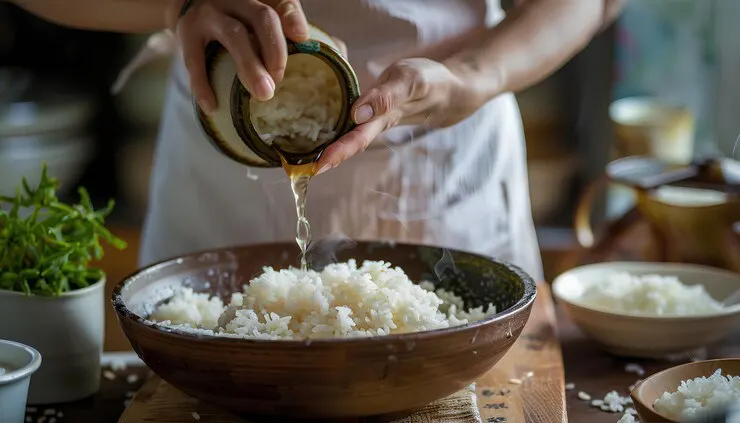
Try 7 nights freeThat’s me, most nightsHow to avoid it: measure both the rice and the water rather than eyeballing it, and rinse the rice first to take off the loose surface starch. Keep the lid on so the steam stays in the pot.
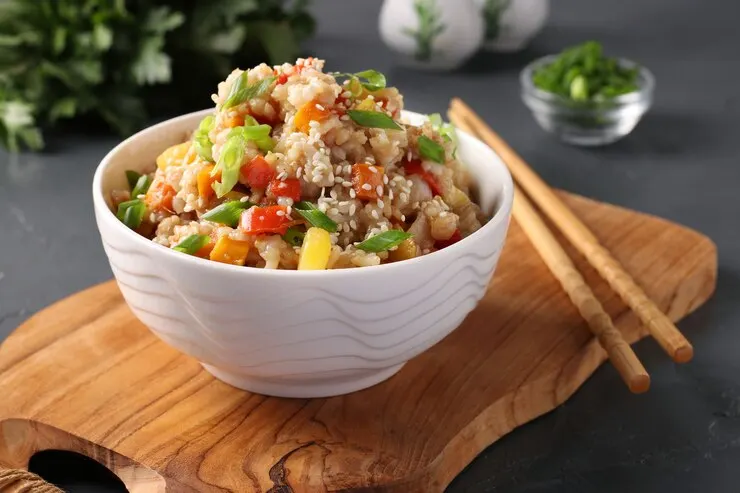
How to fix it: if you spot the excess water early, drain it off and finish the rice on a low heat with the lid on. If it is already cooked and soft, spread it on a baking tray and dry it out in a low oven at about 120°C (250°F) for 10 minutes. Rice that is past saving as a side dish still works in soup, congee or fried rice.
2. Wrong Pot Usage
The pot matters more than people expect. A thin base scorches the bottom layer while the top stays wet, and a loose lid lets the steam out.
- A thick-bottomed pot spreads the heat evenly and stops the base catching.
- A tight-fitting lid keeps the steam in, which is what actually cooks the top of the pot.
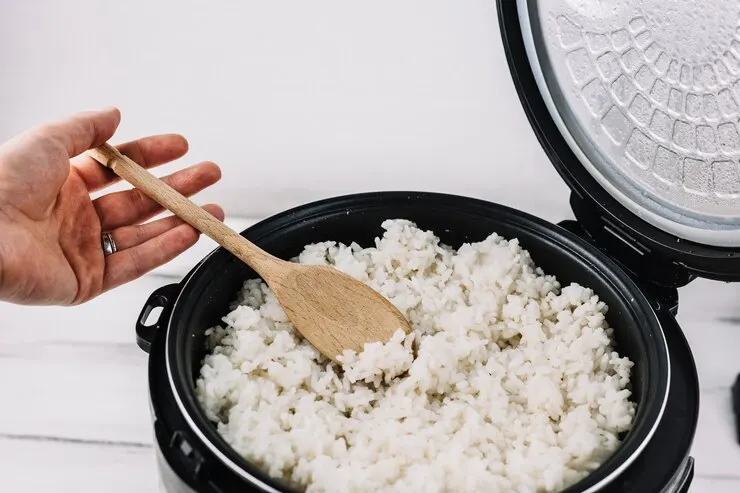
- A rice cooker takes the guesswork out of it, since it cuts the heat when the water is gone.
- Size matters too. A pot that is too wide gives you a shallow layer that dries out, and one that is too small boils over.
3. Not Tailoring Water to Rice Type
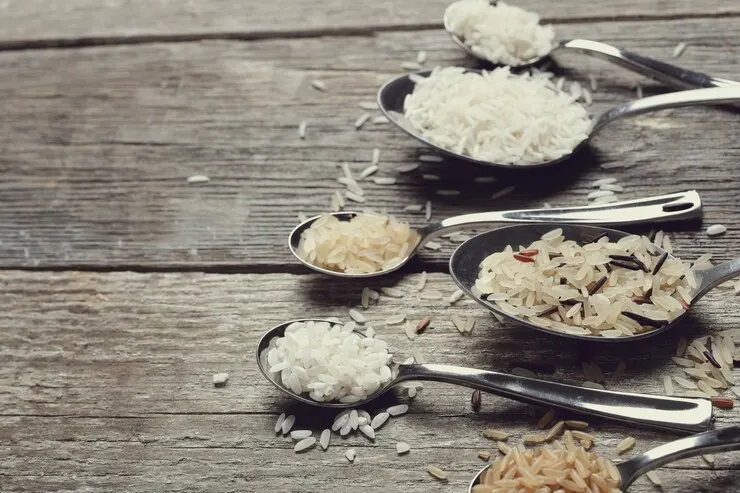
This is where most ratios go wrong, and the common advice has it backwards. Short-grain rice is high in amylopectin, absorbs less water and turns sticky easily, so it needs less water. Long-grain rice is high in amylose, stays separate and drinks more, so it needs more.
As a starting point, by volume:
| Rice type | Rice to water | Notes |
|---|---|---|
| Short-grain white (sushi) | 1 : 1 to 1 : 1.25 | Sticky by design, rinse well but expect some cling |
| Medium-grain white | 1 : 1.25 | Slightly sticky, holds together for risotto-style dishes |
| Long-grain white (basmati, jasmine) | 1 : 1.5 | Fluffy and separate, benefits most from rinsing |
| Brown rice (any length) | 1 : 2 | The bran slows absorption, allow 35 to 45 minutes |
Packet instructions beat any general rule, so follow them where they exist. At altitude water boils cooler, so you need a little more water and a little more time.
4. Not Setting the Right Temperature
Bring the pot to the boil, then drop it straight to the lowest simmer that keeps the lid ticking. High heat blows the water off as steam before the grains have absorbed it, and it burns the base. Too low and the pot sits below simmer, the rice sits in warm water and the grains go soft without ever cooking properly.
Once the heat is down, leave the lid alone. Every time you lift it you lose the steam that is cooking the top layer, and you add cooking time you did not plan for.
5. Overcooking
Overcooking is the other half of the water problem. Cooked past the point where the water is gone, the grains keep absorbing and breaking down.
You can spot it easily: a pasty look, no individual grains, and rice that squashes rather than gives.
- Set a timer. White rice is typically 10 to 12 minutes at a simmer, brown rice 35 to 45.
- Rest it off the heat. When the water is absorbed, kill the heat and leave the lid on for 10 minutes. The residual steam finishes the job without more cooking.
- Do not stir. Stirring breaks the grains open and releases starch, which is exactly what makes a pot gluey. Fluff with a fork at the end instead.
Should you rinse rice before cooking?
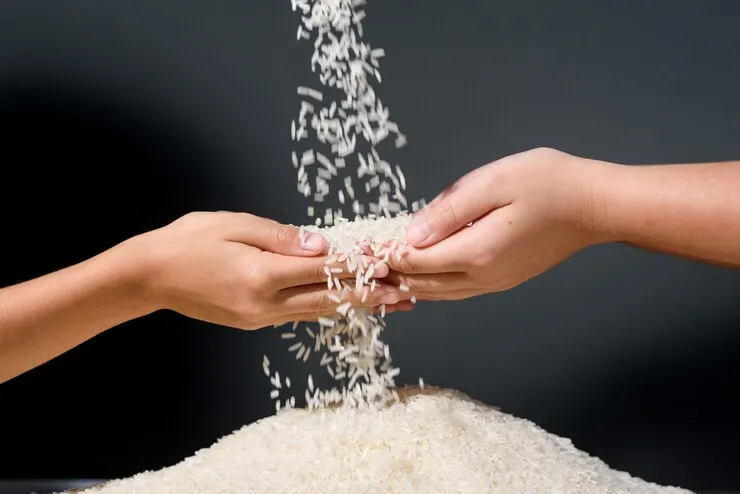
For long-grain rice, yes. Rinsing removes the loose starch clinging to the outside of the grains, which is the starch that turns a pot gluey, so you get fluffier, more separate rice. It also washes off milling dust and reduces the amount of inorganic arsenic in the grain.
For short-grain rice it depends on the dish. Sushi rice is still rinsed, but risotto rice is not, because you want that surface starch to make the sauce.
Use a fine-mesh strainer and cold water, and agitate gently until the water runs mostly clear. Do not scrub the grains together, since broken grains release more starch, not less. Sticky varieties may take three or four changes of water. Drain well before cooking, otherwise the clinging water throws your ratio out.
The Role of Starch in Rice Texture
Rice starch comes in two forms. Amylose gives long-grain rice its firm, separate texture, and amylopectin gives short-grain rice its stickiness. During cooking the starch granules absorb water and swell, a process called gelatinisation. Push that too far and the granules burst, which is mushy rice at a chemical level.
| Rice Type | Starch Content | Texture |
|---|---|---|
| Short-Grain Rice | High in amylopectin | Sticky, soft, and chewy |
| Medium-Grain Rice | Balanced amylose and amylopectin | Slightly sticky, firm, and fluffy |
| Long-Grain Rice | High in amylose | Fluffy, dry, and separate grains |
Soaking rice for 30 minutes to an hour before cooking hydrates the grains evenly and shortens the cooking time. If you soak, cut the cooking water back slightly, because the rice has already taken some on.
How do you store cooked rice?
- Cool it fast. Spread hot rice into a shallow container so it drops out of the danger zone quickly. Cooked rice can carry Bacillus cereus spores that survive cooking and multiply at room temperature, so do not leave it sitting out for hours.
- Refrigerate within an hour, covered, and eat it within three to four days.
- Freeze for longer storage, up to three months, pressing the air out of the container or bag.
- Reheat once only, and reheat it right through until steaming hot.
To reheat without drying it out, add a splash of water first. In the microwave, cover with a damp paper towel and go in 30-second bursts, stirring between them. On the stovetop, add a few tablespoons of water, cover, and warm it over low heat.
MindShift Mentors · 7-night free trial
The plan is never the hard part
You already know what a good week looks like. Then Wednesday happens, and it is not a knowledge problem or a discipline one. MindShift Mentors helps with the pattern underneath it, from Rob Edmonds, who spent years watching capable people fight themselves over this and lose. Fifteen to twenty minutes of guided audio a night.
Free for seven nights, no credit card, $29.95 a month after. Results vary, and it is designed to sit alongside professional care rather than replace it.
Final Thoughts
Get the ratio right for the grain, rinse it, keep the lid on and rest it off the heat, and mushy rice largely stops happening. If you want somewhere to use up a pot that did go soft, fried rice is the obvious home for it.
FAQs
How do you fix rice that is too mushy?
If your rice is slightly mushy, spread it on a baking sheet and let it dry in a low oven or air fryer. For very mushy rice, consider adding it to a stir-fry or soup to absorb excess moisture.
Can mushy rice be saved?
Yes, mushy rice can often be saved. The best method depends on the severity of the mushiness. For mild cases, drying it out can restore its texture. For more severe cases, incorporating it into other dishes like fried rice or risotto can be effective.
Can you make rice soft again?
Mushy rice cannot be un-cooked, because the starch granules have already burst. You can dry the surface out and improve the texture, but the grains will not come back firm. Prevention is the real answer: correct water ratio, a rinse, a proper rest and no stirring.
How do you dry out rice?
To dry out mushy rice, spread it on a baking sheet and place it in a low-temperature oven or air fryer. You can also let it air dry, but this process may take longer. Once the rice is dry, you can use it in various dishes or store it for future use.
- How to Fix Mushy Rice
- Mistakes Ruining Your Rice