
How Many Vegans Are There in the World?
About 1 per cent of people identify as vegan in most of the countries that measure it. Gallup’s 2023 poll puts the United States at 1 per cent vegan and 4 per cent vegetarian, and the worldwide figure is roughly 1 to 2 per cent, somewhere near 88 million people. That is a good deal smaller than most coverage suggests, and it has barely moved in a decade, which is the more interesting half of the answer.
Veganism refers to abstaining from animal products in diet and in other areas of life, such as clothing. Vegans reject the use of animals for food, clothing or other purposes. Some vegans restrict only what they eat, while others also avoid animal-derived materials like leather and wool.
Worldwide vegans
Everyone in the world has a different approach regarding vegans, as many people intermix the terms vegan, plant-based, and vegetarians. So it is a challenging task for the researchers to calculate the number of vegans in the world. Keep in mind that there is a massive difference between vegan and plant-based diets for vegetarians.
MindShift Mentors · 7 nights free
It’s 9pm and you’re not even hungry
The kitchen light goes on anyway. Fifteen minutes of guided audio a night, aimed at the pattern rather than the willpower.
Try 7 nights freeThat’s me, most nightsSurvey estimates vary widely, and they vary mostly because the question does. A survey that asks people to self-identify as vegan gets a different answer from one that asks what someone actually ate last week.
With that caveat in place, the numbers themselves are reasonably consistent. Worldwide sits at roughly 1 to 2 per cent. India is the clear outlier at around 10 per cent, which is largely why country-by-country tables look so wide: most Western markets land between 1 and 3 per cent, with Ireland nearer 4 per cent and the Netherlands around 3.
Vegans in the US
Gallup has asked the same question three times over a decade, which makes the US the one market where a trend can be read at all. In 2023 it found 4 per cent of Americans identifying as vegetarian and 1 per cent as vegan, and it describes those results as similar to its 2012 and 2018 polls.
So the honest answer is that the number has not really changed. It is worth being clear about why, because both the growth story and the decline story get told using these figures. The 2023 poll surveyed 1,015 people with a margin of error of about 4 percentage points. At a true value near 1 per cent, that margin is wider than the thing being measured, so 1 per cent and 3 per cent are not distinguishable results. Anyone reporting a rise or a fall between those polls is reading noise.
Multiplying any of these percentages by the US population produces a headline number, which is how most of the figures in circulation were made. One per cent of the United States is roughly 3.4 million people. It is worth knowing that is where the big round numbers come from.
The label is small. The behaviour is not.
This is the part the percentage hides. While vegan identification has sat near 1 per cent, Gallup has separately found that nearly one in four Americans have cut back on eating meat and that four in ten have eaten plant-based meats.
That gap is the real answer to the question. Very few people take on the label, and a great many have changed what they actually eat. Which is why a recipe being good matters more than a diet being adopted.
Tips for those who want to become vegan
The pandemic made people rethink habits and seek a healthier life. According to a UK-based Mintel report, 25% of Generation Y youth said the vegan diet became more attractive during the pandemic. However, replacing an omnivorous diet with a vegan one can be quite a change. Because of this, it is recommended that the transition be done carefully and, preferably, under the supervision of a professional. First of all, dietary re-education is needed to adapt the body to change.
To help people interested in changing their lifestyle, we will answer some of the most common questions presented by beginners in vegan eating. Check it out below:
1 - Does attending or ordering delivery at vegan restaurants help in the process?
Yes, because it encourages familiarization with other textures and tastes. In addition to getting in touch with a different range of dishes, ordering delivery from a vegan restaurant can encourage you to learn how to cook new tasty and practical combinations.
2 - When starting, do I eliminate the animal protein at once or little by little?
According to the professional, the decision varies according to each person’s lifestyle. Those who are in good health and have healthy eating habits can get rid of the meat at once. Those who have an outdated diet, who lack some nutrients, are recommended to replace animal protein gradually.

Good intentions. Same old habits?
Try a guided audio session for habit change. Press play for 15 to 20 minutes each evening.
One session, free for seven nights. No credit card.
Results vary. Designed to sit alongside professional care rather than replace it.
3 - Is it necessary to take a vitamin supplement?
Vitamin B12 is the one that genuinely needs attention, because reliable sources of it are animal foods and fortified products rather than plants. Most of the rest of the B group is widely available in a plant-based diet. So B12 usually needs to come from fortified foods or a supplement. Another point that can be decisive for the adoption of a supplement is the stage of life in which the vegan depends on the age group. Metabolism needs different vitamins to maintain its proper functioning. A pregnant vegan woman and an elderly vegan have different nutritional needs. Because of these specifications, it is recommended to schedule an appointment with a nutritionist.
4 - Is nutritional monitoring necessary?
A dietitian can put a personalised plan together and tell you which nutrients to keep an eye on, which is worth more than any article. B12, iron, vitamin D, omega-3 and folate are the usual ones to check on a plant-based diet, and a blood test settles it in a way that reading cannot.
5 - What foods can I not eat?
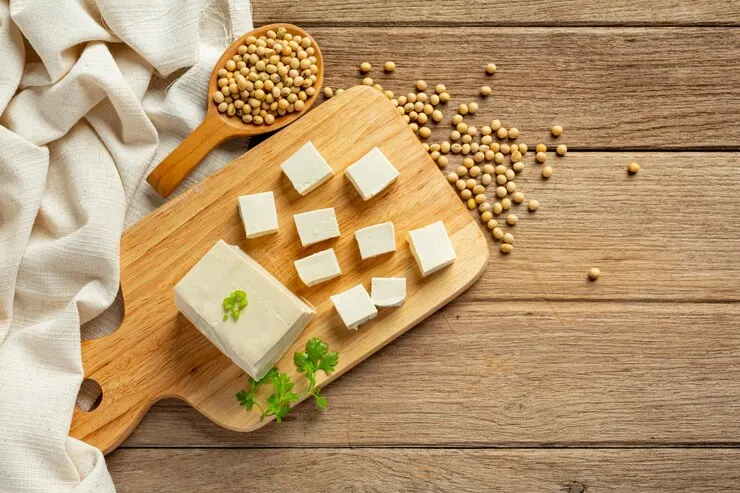
A vegan diet cannot exclude vegetable protein, which can be found in legumes and vegetables. Soy is worth knowing about because it carries all nine essential amino acids, which most single plant foods do not. That is a point about protein rather than about nutrients in general, and it is not a substitute for B12. The professionals indicate the consumption of organic soy, which does not involve pesticides.
To learn more about the vegan diet, consult a nutritionist.
- usa vegans
- vegans worldvide