
Why Are There Different Colours of Watermelon Inside?
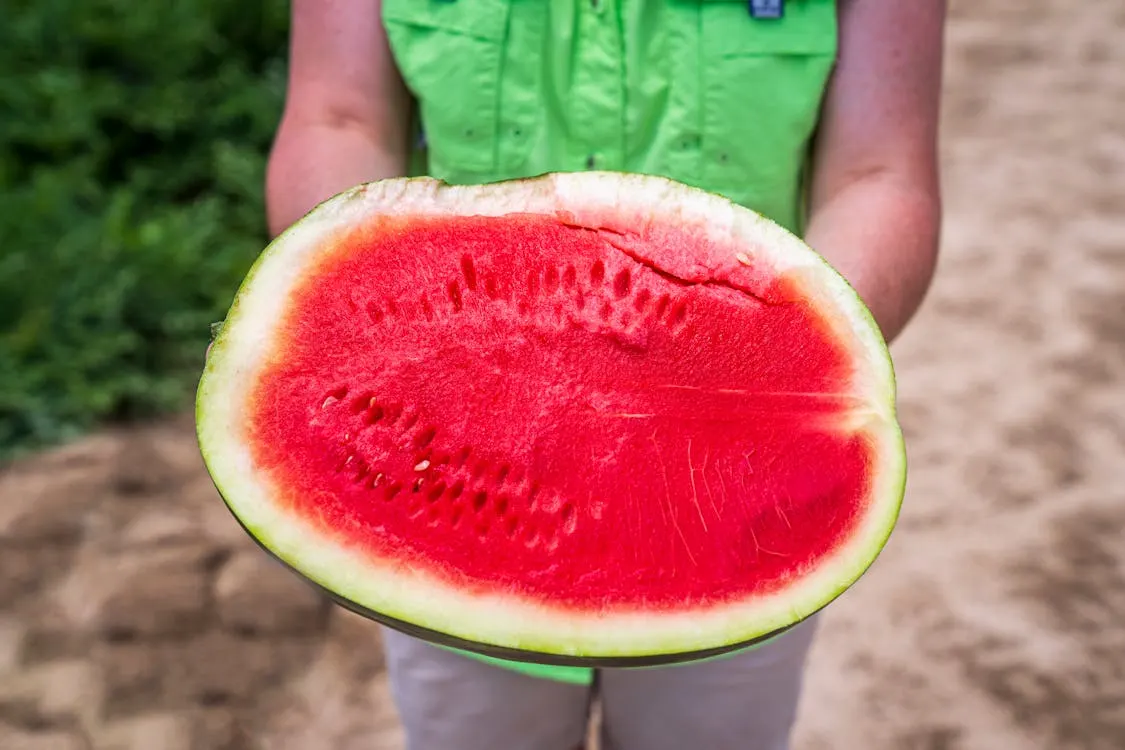
Watermelon flesh varies in colour because of which pigment the cultivar produces. Red and pink melons are high in lycopene, the same pigment that reddens tomatoes. Yellow and orange melons build up beta-carotene instead, the pigment behind the colour of carrots. White flesh usually means the fruit was picked before its pigments developed, though a handful of varieties are bred white on purpose.
Watermelons are a refreshing summer treat, and the sections below cover what pink, yellow and white flesh each mean, whether yellow spots are safe to eat, how growing conditions come into it, and what to make of the claims about nitrates in this juicy fruit.
Why is my watermelon yellow and pink inside?
Watermelons come in different types, and their flesh can vary in colour. Here’s a quick rundown:
MindShift Mentors · 7 nights free
It’s 9pm and you’re not even hungry
The kitchen light goes on anyway. Fifteen minutes of guided audio a night, aimed at the pattern rather than the willpower.
Try 7 nights freeThat’s me, most nights- Yellow Flesh: This can happen due to natural variations in watermelon breeds. Yellow watermelons are a bit less common but just as good to eat. They tend to be sweeter and have a honey-like taste compared to the more traditional red ones.
- Pink or Red Flesh: This is the more familiar variety, often juicy and refreshing with a sweet taste.
What does watermelon pink represent?
The pink colour in watermelons typically represents ripeness and sweetness, thanks to the pigment lycopene. But if you’re asking in a more symbolic sense, pink often evokes feelings of joy, playfulness and love. Just like a slice of juicy watermelon on a hot summer day, it’s all about that refreshing, delightful experience.
Watermelon colours are influenced by genetic factors. Here’s a bit of the science:
Pigments: The colour of the watermelon flesh is primarily determined by the presence of various pigments. In red and pink watermelons, the pigment lycopene is responsible for the vibrant hue. Lycopene is the same pigment that gives tomatoes their red colour. In yellow watermelons, the pigment beta-carotene predominates. Beta-carotene is also found in carrots and is responsible for their orange colour.
Genetics: Watermelons have a variety of genes that influence their flesh colour. Specific genetic variations determine whether the flesh will be red, pink, yellow, or even other less common colours. The genes control the production and concentration of the pigments mentioned above.
Breeding: Over time, farmers and scientists have selectively bred watermelons to enhance desirable traits such as sweetness, texture, and colour. This selective breeding has led to the variety of watermelon colours we see today.
What does it mean when your watermelon is white inside?
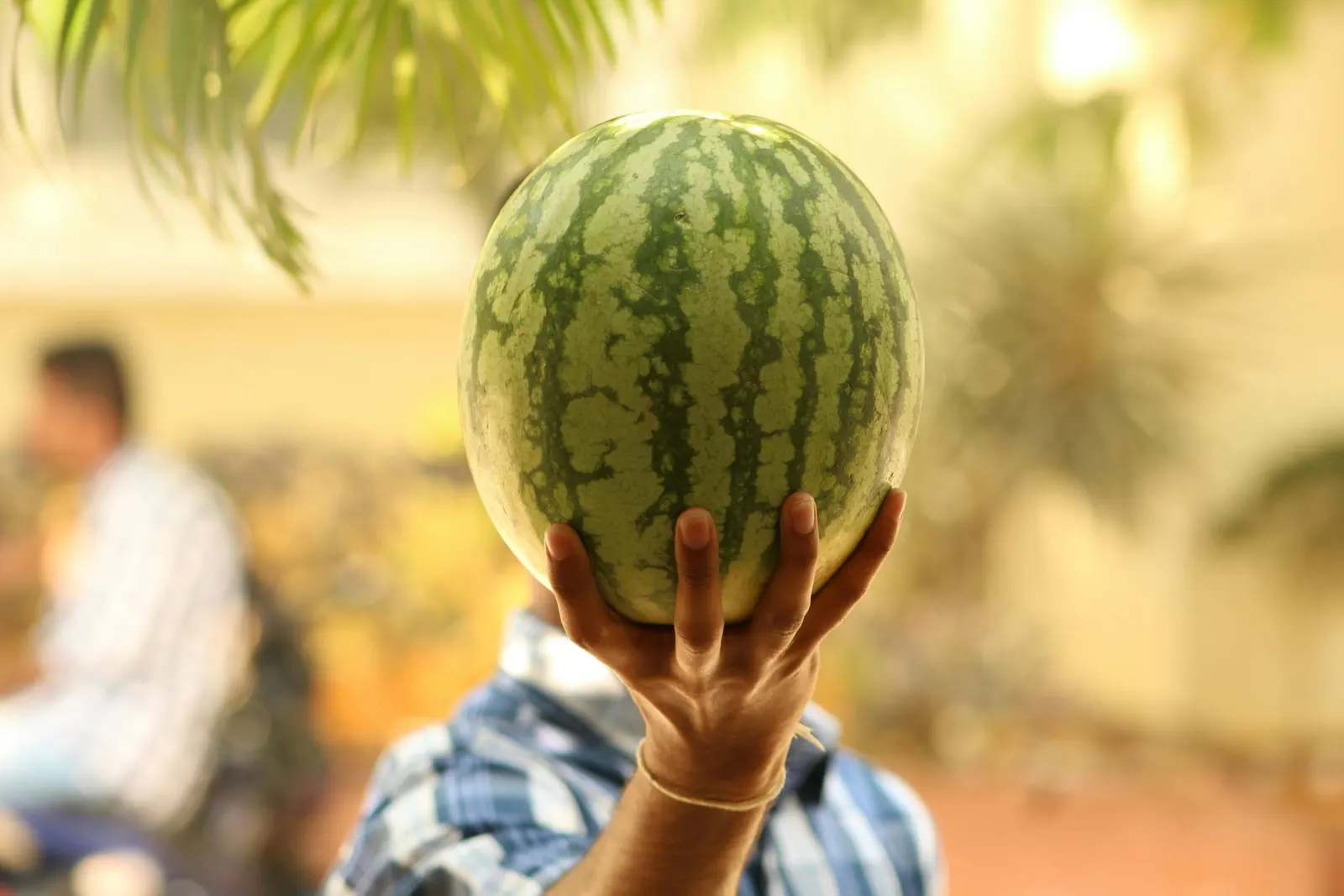
A white inside of a watermelon typically means it is not ripe. Here are a few reasons why your watermelon might be white:
- Unripe Watermelon: Watermelons that are harvested too early may not develop their typical red, pink, or yellow flesh. An unripe watermelon will have a hard texture and lack the sweet flavour associated with ripe ones.
- Variety: There are some watermelon varieties that are bred for white flesh. These types are less common and usually cultivated for specific purposes or regions.
- Lack of Sunlight: Watermelons require ample sunlight to develop their colour and sweetness. If a watermelon doesn’t receive enough sunlight during its growth, its flesh may remain pale.
Watermelons do not ripen further once they are cut from the vine, so a pale one will not colour up on the bench. If you are growing your own, that is a reason to leave the fruit a little longer next season.
Is watermelon with yellow inside safe to eat?
Yes, yellow watermelons are completely safe to eat. They are just as nutritious and good to eat as their red or pink counterparts. Yellow watermelons are often sweeter and have a slightly different flavour profile, resembling honey.
So, feel free to enjoy your yellow watermelon.
Is it safe to eat watermelon with yellow spots inside?
Yes, it’s generally safe to eat a watermelon with yellow spots inside, as long as the rest of the flesh looks healthy and the fruit doesn’t have any signs of spoilage, such as a foul smell or a mushy texture. Here are a few reasons why your watermelon might have yellow spots:
- Natural Variation: Sometimes, watermelons can have natural variations in colour, including yellow spots or streaks. This can be due to differences in how the fruit ripened.
- Pigmentation: Similar to how some watermelons are entirely yellow inside, parts of a red watermelon may sometimes show yellow pigmentation.
- Environmental Factors: Conditions like inconsistent watering or uneven exposure to sunlight during growth can cause colour variations.
If the texture and smell are normal, and the watermelon still tastes good, you can safely enjoy it. If you’re ever in doubt, though, it’s best to discard any parts that seem off.
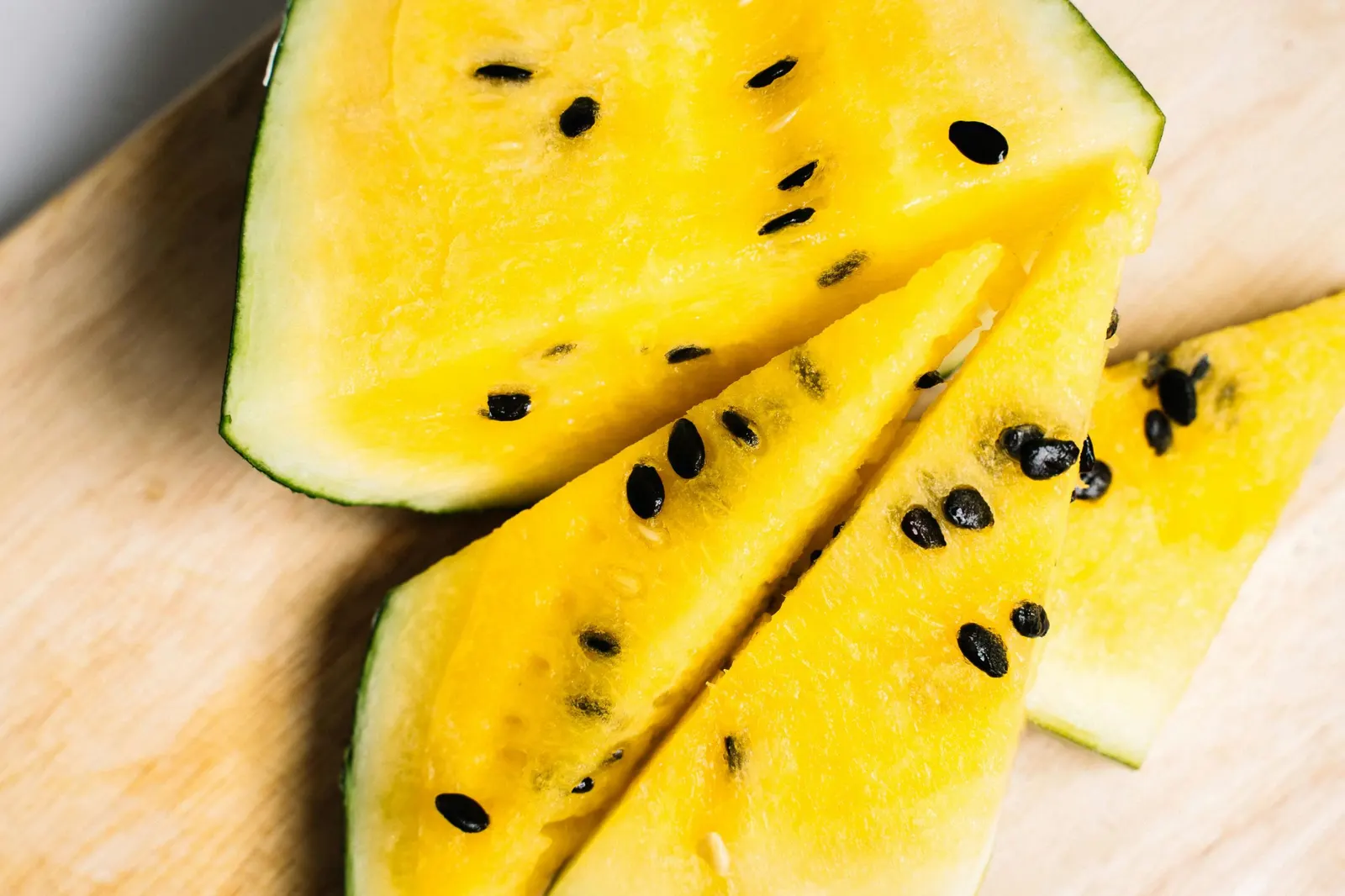
What does it mean when a watermelon has yellow or white flesh?
When a watermelon has yellow or white flesh, it can mean a few different things depending on the specific characteristics and context:
Yellow Flesh
There are specific varieties of watermelon, like Yellow Crimson and Desert King, that are naturally yellow inside. These are perfectly normal and often have a sweeter, honey-like flavour compared to the more common red watermelons. Sometimes yellow flesh can be a sign of ripeness and sweetness, especially in varieties bred for this colour.
White Flesh
Most commonly, white flesh indicates that the watermelon is not yet ripe. Unripe watermelons will have a bland taste and a firmer texture. There are also some rare watermelon varieties that have naturally white flesh, although these are less common.
Both yellow and white flesh watermelons are generally safe to eat, provided there are no signs of spoilage such as a sour smell or mushy texture.
If you ever get a white-fleshed watermelon that seems under-ripe, it’s best to wait a bit longer before picking it in the future.
What makes yellow watermelon different?
Let’s look at some characteristics of yellow watermelon that we haven’t touched on yet:
- Nutrient Content: Yellow watermelons contain vitamin C, and their beta-carotene is a form of provitamin A, which the body converts as it needs it. Like most fruit, they also supply a range of antioxidant compounds.
- Hydration: Like their red counterparts, yellow watermelons have a high water content, making them excellent for staying hydrated, especially during hot weather.
- Culinary Uses: Yellow watermelons can be used in a variety of recipes. They add a unique colour and sweetness to fruit salads, smoothies, and even savoury dishes like salads and salsas. Their distinct colour can make for a visually appealing addition to any plate.
- Cultural Significance: In some places, yellow watermelons are treated as a novelty. They might be featured in special dishes or celebrations, which is part of their appeal.
- Growing Conditions: Yellow watermelons thrive in similar growing conditions as red watermelons but might be chosen specifically for their unique colour traits when planting in home gardens or farms.
- Availability: While they might not be as common in standard grocery stores, you can often find yellow watermelons at farmers’ markets, specialty stores, or through direct purchase from local growers.
What causes hard yellow spots inside watermelon?
Hard yellow spots inside a watermelon can be indicative of several issues:
- Sunscald: When the fruit is exposed to intense sunlight for prolonged periods, certain areas can become sunburned, leading to hard, yellowish spots.
- Internal Damage: Physical impacts or pressures during growth or handling can cause internal bruising that manifests as hard, discoloured spots.
- Nutrient Imbalance: If the watermelon plant didn’t receive the proper balance of nutrients during its growth, it could lead to uneven ripening or development, resulting in hard, yellow areas inside the fruit.
While these spots might affect the texture and taste of the affected areas, the rest of the watermelon is usually still safe to eat if there are no signs of spoilage or mould.
Can watermelon cause nitrate poisoning?
Nitrate poisoning from watermelon is very rare, and reports of it are mostly linked to fruit grown with high levels of nitrates from heavy fertiliser use or contaminated irrigation water. Here are some key points:
- Causes: Watermelons can take up nitrates through the use of certain fertilisers or contaminated irrigation water. Poor handling and storage can also contribute to nitrate accumulation.
- Symptoms: Symptoms attributed to nitrate poisoning include dizziness, headaches, fatigue, nausea, vomiting, and in severe cases, difficulty breathing and methaemoglobinaemia, a condition where the blood has reduced ability to carry oxygen.
- Prevention: To reduce the risk, it’s worth doing the following:
- Purchase watermelons from reputable sources.
- Wash the watermelon thoroughly before cutting into it.
- Avoid using excessive fertilisers and ensure proper irrigation practices if you grow your own.
- Home tests: A test that circulates widely online tells you to drop a piece of watermelon into a glass of room-temperature water and watch for the water changing colour. There is no good evidence that this detects nitrates. Pigment leaching from cut flesh will tint water regardless, so treat the result as meaningless and go by the source and condition of the fruit instead.
If you are worried about symptoms after eating any food, speak to a doctor.
Nitrate content in watermelons doesn’t directly change the flesh colour, but it can be an indicator of how the fruit was grown. Here’s how it ties in:
Growing Conditions: Watermelons grown with heavy nitrogen fertilising may ripen unevenly, which can sometimes show up as patches of yellow or white. However, this is more about overall plant health rather than the specific pigments responsible for red or yellow flesh.
Colour Variations: While the primary factors determining flesh colour are genetics and natural pigments, like lycopene for red and beta-carotene for yellow, poor agricultural practices, including the overuse of nitrogen-rich fertilisers, can lead to problems in the watermelon’s development.
Safety Concerns: The practical takeaway is to buy from growers you trust and to grow in balanced soil with sensible fertiliser and irrigation, rather than trying to read safety off the colour of a slice.
So, while the colour itself isn’t a sign of nitrate contamination, good growing practice matters for both the look and the safety of watermelons.
MindShift Mentors · 7-night free trial
It is 9pm and you are not even hungry
The kitchen light goes on anyway. Not because the recipe is there, and not because you are short on willpower either. It is a pattern, built by repetition, and it runs before you consciously decide anything. MindShift Mentors helps with the pattern underneath it, from Rob Edmonds, who spent years watching capable people fight themselves over this and lose. Fifteen to twenty minutes of guided audio a night.
Free for seven nights, no credit card, $29.95 a month after. Results vary, and it is designed to sit alongside professional care rather than replace it.
Final Thoughts
Watermelons can have red, pink, yellow, or even white flesh, with each colour offering unique flavours and textures. Enjoy the variety and flavours of watermelons, and remember that each slice is a result of nature’s fascinating interplay of genetics, environment, and cultivation practices.
- Colours of Watermelon Inside
- Different Colours of Watermelon