
Peach Gum: What It Is and How to Soak It
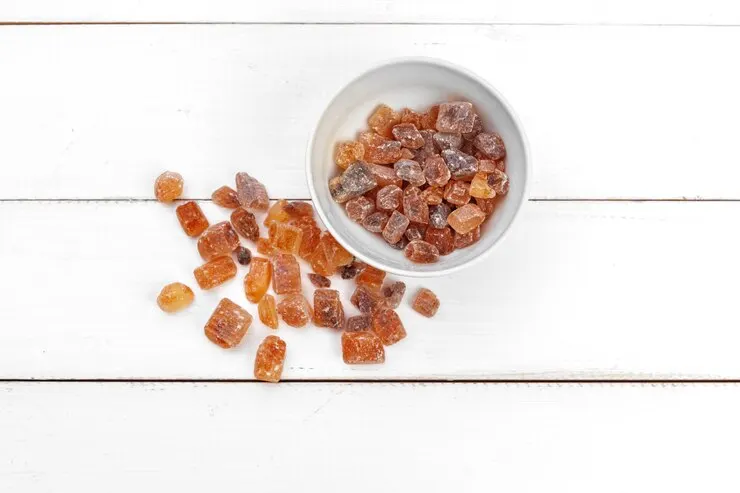
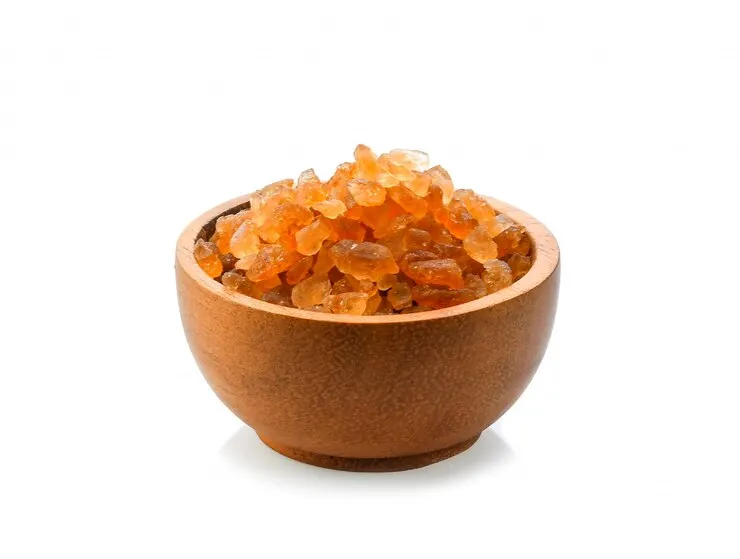
Peach gum is a natural resin that seeps from the bark of peach trees, dried into amber crystals and sold for cooking. It has almost no flavour of its own. You soak it for 8 to 12 hours until it swells into a soft, collagen-like jelly, then simmer it into sweet soups and desserts for texture rather than taste.
Peach gum has been used in Chinese cooking for a long time and has had a second life online since 2024. This article covers what it actually is, how to soak and clean it properly, how it is cooked, and what the research does and does not show.
It is entirely plant based, which is why it turns up so often in vegan dessert recipes as a substitute for gelatine-set puddings. Note that it is not related to gum arabic, which comes from acacia trees and is a different ingredient altogether.
MindShift Mentors · 7 nights free
It’s 9pm and you’re not even hungry
The kitchen light goes on anyway. Fifteen minutes of guided audio a night, aimed at the pattern rather than the willpower.
Try 7 nights freeThat’s me, most nights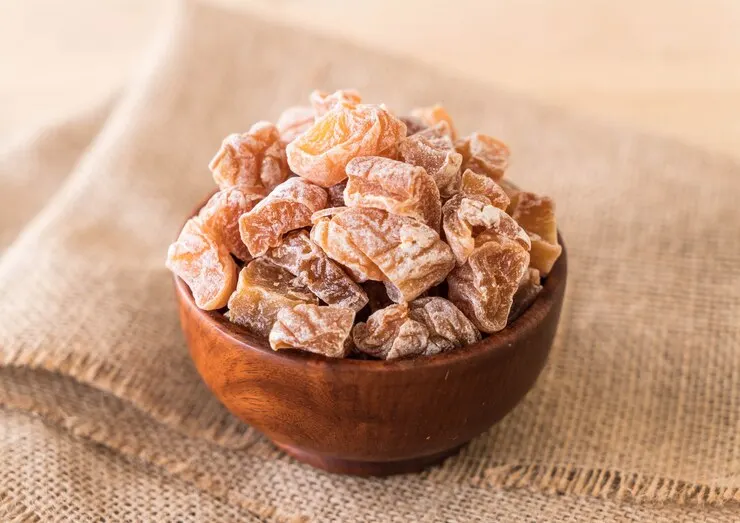
Peach gum trend
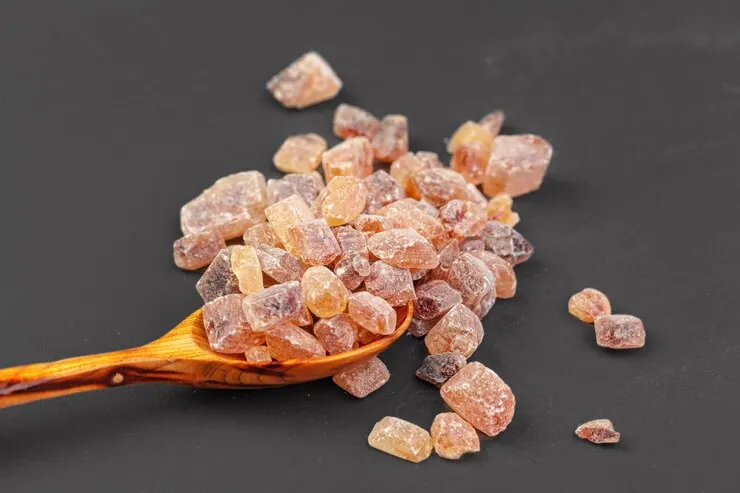
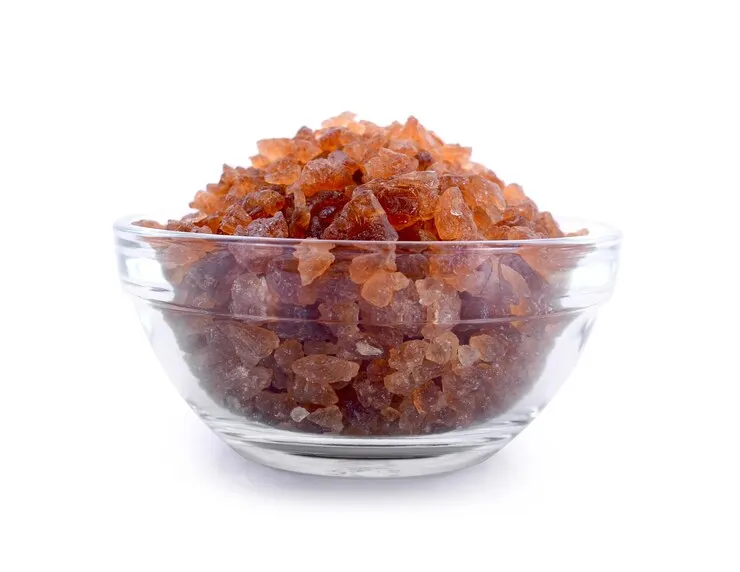
Peach gum, also known as peach resin or peach blossom tears, is a natural substance that comes from injured peach trees. When the bark is wounded, the tree secretes a sticky sap that hardens on contact with the air, and that hardened sap is peach gum. It has a long history in Chinese cooking and in traditional Chinese medicine. What people notice first is the look of it: translucent, amber, a bit like broken gemstones.
Peach gum is soaked and cooked into sweet soups and desserts, where its gelatinous texture is the whole point. Because it swells to many times its dried size and costs very little per serve, a small bag goes a long way.
It picked up serious attention on TikTok and Instagram from 2024 onwards, with people posting soaking timelapses and pairing it with red dates and goji berries in tong sui style desserts. Some of the beauty claims attached to it in those videos, particularly around face masks and skin elasticity, are not supported by evidence.
Does peach gum have proven health benefits?
Not at this stage. Traditional Chinese medicine attributes a range of properties to peach gum, and there is a body of laboratory and animal research on peach gum polysaccharides, but almost none of it involves people eating peach gum in the amounts you would use in a dessert. Treat it as a food with an interesting texture, not as a remedy. Here is what the research covers.
Digestion
In Vitro Digestion and Fecal Fermentation of Peach Gum Polysaccharides looked at how peach gum polysaccharides behave in a simulated digestive system. They passed through the oral, gastric and intestinal stages without being digested, and were then fermented by gut bacteria, which increased short-chain fatty acid production. This was a laboratory model, not a human trial.
A separate paper on the hepatoprotective effects of peach gum polysaccharides, and a review of their pharmacological properties, both note the same possible prebiotic behaviour. Whether any of that translates into a noticeable effect on bloating or constipation in people has not been established.
Skin
A study on peach gum polysaccharide and UVB-induced skin photoaging reported reduced epidermal thickening and wrinkling, but that was applied research in animals rather than people eating it. Reviews of oral collagen supplements are sometimes cited alongside it, though those studies test hydrolysed animal collagen, which is a completely different substance from peach gum.
Immunity and respiratory use
Peach gum polysaccharides appear in reviews of immunomodulatory dietary polysaccharides, and there is early work on peach gum oligosaccharides in cell and animal models. In traditional use it is also given for coughs and dry throats. None of this amounts to evidence that eating it will affect your immune system or your lungs.
If you are looking for a health intervention rather than a dessert, peach gum is not it. If you have a health condition or take medication, talk to your doctor before adding any new traditional ingredient to your diet.
What are the downsides of peach gum?
A few practical things are worth knowing before you buy a bag:
- Allergies. Some people react to peach gum, or to the dates, goji berries and nuts it is usually cooked with. If you have a peach or stone fruit allergy, be cautious.
- It must be soaked properly. Eating it under-soaked or in large quantities can leave you bloated or uncomfortable, since the polysaccharides are not digestible and swell with water.
- Grit and bark. Raw peach gum is a wild-harvested tree product, so it arrives with bits of bark, dirt and occasionally insect fragments embedded in it. These have to be picked out after soaking.
- Thin evidence. Whatever the packaging says, the research on it is early and mostly not done in humans.
If you are pregnant, breastfeeding, taking medication or feeding it to young children, check with a healthcare professional first, simply because there is not much research to go on.
How to cook peach gum
The soaking is the part people get wrong. It takes far longer than it looks like it should, and the cleaning step is not optional.
- Soaking. Cover the peach gum with plenty of cool water and leave it for 8 to 12 hours, or overnight. Large, dense lumps can need up to 24 hours. It swells to roughly 8 to 10 times its dry volume, so 10 g of dried gum is enough for two or three serves and needs a much bigger bowl than you expect. In warm weather, soak it in the fridge and change the water once or twice so it does not sour. It is ready when it is soft and jelly-like all the way through with no hard, glassy core left.
- Cleaning. Tip the soaked gum into a bowl of fresh water and go through it piece by piece. Pull off any bark, wood chips, grit or dark specks, using tweezers or your fingernails for the bits embedded in the jelly. Break the large pieces apart so you can see inside them. Rinse two or three times, and throw out anything that has stayed hard.
- Boiling. In a pot, add the cleaned peach gum along with other ingredients like red dates, goji berries, and rock sugar. Add enough water to cover. Bring to the boil, then reduce the heat and simmer for 30 to 45 minutes, until the gum is soft and translucent. Longer is not better, since it eventually breaks down and disappears into the liquid.
- Serving. Serve it hot, or cool it completely and chill it. Coconut milk, soy milk or oat milk stirred through at the end gives it more body. Add any milk near the end of cooking rather than at the start.
Plan the soak the night before. There is no quick version, and boiling dried peach gum to speed it up gives you hard centres and a cloudy pot.
Is peach gum fattening?
Peach gum itself is not inherently fattening. Once soaked it is mostly water, and what is left is largely indigestible polysaccharide, so it contributes very little energy on its own. What goes in with it is another matter.
Peach gum is usually cooked in sugar syrup, or with rock sugar, coconut milk or cream. Those additions carry almost all of the kilojoules in the finished dessert.
To keep your peach gum dessert light, consider these tips:
- Go easy on the rock sugar, or sweeten with a little maple syrup or stevia instead.
- Use water or a lower-energy plant milk such as almond or oat milk.
- Watch the portion size, since it is easy to eat a big bowl of it.
Does peach gum contain collagen?
No. Peach gum contains no collagen at all, and it cannot, because collagen is an animal protein and peach gum is a plant polysaccharide, essentially a complex carbohydrate. Sellers who call it “plant collagen” are describing the way it looks and feels in the bowl, which is genuinely similar to a collagen jelly, not what it is made of.
That is not a problem for a dessert. It is the reason peach gum works as a vegan alternative where a recipe would otherwise use gelatine. Just do not buy it expecting it to do what a collagen supplement claims to do.
Peach gum or peach resin
Technically, there’s no significant difference between peach gum and peach resin. They are essentially the same thing. The terms are often used interchangeably to refer to the natural resin secreted by peach trees.
However, in popular usage, “peach gum” is more commonly used to describe the dried, solidified resin that is often prepared and consumed as a dessert or herbal remedy. “Peach resin” is a more general term that can refer to the resin in its raw, liquid form or the dried form.

Tired, but your mind won’t switch off?
Try a guided sleep audio session from MindShift Mentors. Listen for 15 to 20 minutes at bedtime.
One session, free for seven nights. No credit card.
Results vary. Designed to sit alongside professional care rather than replace it.
Final Thoughts
Peach gum is cheap, plant based, keeps for years in the cupboard and gives a dessert a texture that is hard to get any other way. That is a good enough reason to try it. The claims stacked on top of it online are a separate matter, and the honest answer is that the research is early and mostly has not been done in people.
As with any dietary supplement or natural remedy, it’s advisable to consult with a healthcare professional like Trish Tucker May before incorporating peach gum into your routine, especially if you have underlying health conditions or are taking medications.
FAQs
What is peach gum?
Peach gum is the hardened sap of peach and some other stone fruit trees, collected after the bark is damaged and dried into amber-coloured lumps. It is sold dried, soaked before use, and cooked into sweet soups. It is not gum arabic, which is a different resin harvested from acacia trees and used mainly as a food additive.
How long do you soak peach gum?
Between 8 and 12 hours, or overnight, in plenty of cool water. Big lumps can take up to 24 hours. It is done when there is no hard core left in the middle of a piece. Soak it in the fridge in summer and change the water once. After soaking, pick out the bark and grit and rinse it well before cooking.
What does peach gum taste like?
Almost nothing. That is the point of it. On its own it is faintly neutral with a slight woody note, and the flavour of the finished dish comes from what you cook it with, usually rock sugar, red dates, goji berries, pandan or coconut milk. What it brings is texture: soft, slippery and a bit bouncy, similar to a set jelly.
Is peach gum vegan?
Yes. It is a tree resin with nothing animal-derived in it, which is why it is often used in place of gelatine in Chinese desserts. The only thing to check is what it is cooked with, since some recipes and pre-made peach gum drinks include honey or dairy milk.
- peach gum
- peach gum trend