
Which Sweets and Snacks Are Vegan? The Checked List
Skittles, Gushers, Twizzlers and Dum Dums are vegan. M&M’s are not, because the milk chocolate shell contains dairy. Everything else on this list is a split decision, where one flavour qualifies and the one next to it on the shelf does not. That is the honest answer to most “is this vegan” questions, and it is why the flavour on the packet matters more than the brand on it.
This page replaces eleven separate articles that each answered one of these. One list is easier to check in the biscuit aisle than eleven browser tabs.
The short version
| Snack | Vegan? | The catch |
|---|---|---|
| Skittles | Yes | PETA-certified. Gelatine went in 2010 |
| Gushers | Yes | General Mills confirms no animal by-products |
| Twizzlers | Yes | Palm oil and artificial colours put some people off |
| Dum Dums | Yes | Carnauba wax and artificial colours, both plant-derived |
| Mike and Ike’s | Mostly | Confectioner’s glaze is the sticking point |
| Takis | Mostly | Guacamole, Xplosios and Crunchy Fajitas contain dairy |
| Airheads | Some | Original bars and Xtremes only |
| Maruchan ramen | Some | Noodles yes, most seasoning sachets no |
| Doritos | Barely | Spicy Sweet Chili in the US, a couple in the UK |
| Donuts | Rarely | Milk, eggs and butter in standard dough |
| M&M’s | No | Dairy in the shell, and it is not close |
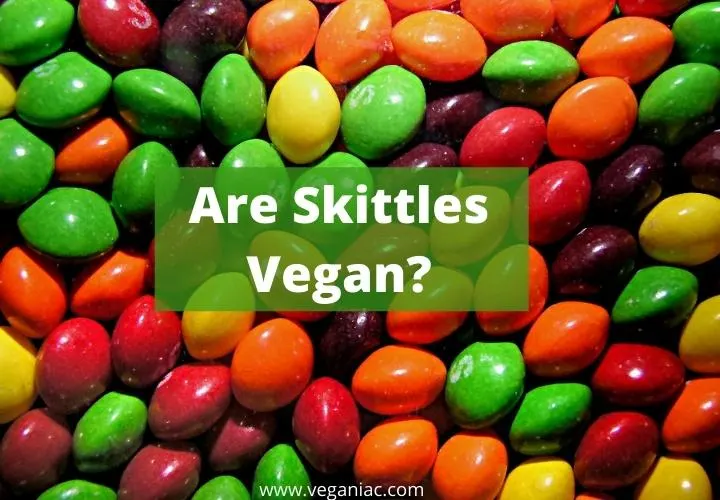
Are Skittles vegan?
Yes. Skittles Original are entirely plant-based and PETA has certified the range. Gelatine came out of every recipe in 2010. The only wobble is “natural flavours” on the label, which can come from either plants or animals and is not broken down further, so a strict reading leaves a small question mark. Other Skittles varieties differ slightly and are worth checking one at a time.
MindShift Mentors · 7 nights free
It’s 9pm and you’re not even hungry
The kitchen light goes on anyway. Fifteen minutes of guided audio a night, aimed at the pattern rather than the willpower.
Try 7 nights freeThat’s me, most nightsAre Gushers vegan?
Yes. General Mills has confirmed publicly that Fruit Gushers contain no animal by-products, including no gelatine and no carnauba wax. Recipes do change, so the label is still worth a glance, particularly on other fruit snacks in the same range where gelatine and certain colourings do turn up.
Are Twizzlers vegan?
Yes. Corn syrup, wheat flour, sugar and cornstarch, with no gelatine, dairy or other animal-derived ingredients on the label. Some vegans still give them a miss over the refined sugar, palm oil and artificial colours, none of which are animal products but all of which carry baggage people weigh differently.
Are Dum Dums vegan?
Yes. Sugar, corn syrup, modified food starch and flavourings, none of them animal-derived. The carnauba wax listed on some ingredient panels is plant-derived, as are the artificial colours, though both are processed in ways some vegans choose to avoid.
Are Mike and Ike’s vegan?
Mostly. They list no animal-derived ingredients and have been gelatine-free for years, which is why most vegans eat them without thinking twice. The sticking point for stricter vegans is the confectioner’s glaze and the refined sugar. Neither is animal-derived, but both involve processing some people avoid.
Are Takis vegan?
Most flavours, yes. The folded corn tortilla base has no animal ingredients, and Fuego, Nitro, Zombie and Salsa Brava are free of dairy, egg and meat. Xplosios, Crunchy Fajitas and Guacamole do contain milk or cheese. The artificial colours across the range are typically animal-tested, which matters to some vegans and not others.
Are Airheads vegan?
Some of them. Original Airheads Bars and Airheads Xtremes contain no animal ingredients. Airheads Bites, Soft Filled Bites, Gummies, Xtremes Bites and Xtremes Sourfuls contain beeswax, shellac, gelatine or carmine. Three of the four Airheads Gum flavours contain carmine, so White Mystery is the only gum that qualifies. With that many product lines under one brand, reading the specific pack is the only reliable move.
Is Maruchan ramen vegan?
Partly. The noodles themselves are vegan. Most seasoning sachets are not, because they carry chicken fat, beef fat, dried meat or lactose. A few flavours including Chili and Soy Sauce do qualify. The easy workaround is to bin the sachet and season the noodles yourself, which also gets you out of the salt.
Are Doritos vegan?
Barely. Most flavours use whey, cheese powder or buttermilk. In the US only Spicy Sweet Chili is PETA-certified vegan. The UK has a couple more that qualify, depending on how strict you are about shared factory lines. Recipes change often enough here that last year’s answer is not this year’s.
Are donuts vegan?
Usually not. Standard donut dough is made with milk, eggs and butter, so the default answer at a counter is no. Vegan versions are easy to find now, both from dedicated vegan bakeries and increasingly on the big chains’ menus. Making them at home takes no particular skill, and our vegan doughnuts recipe and vegan mochi donuts both work first go.
Are M&M’s vegan?
No, and it is not a close call. The milk chocolate shell contains skim milk, milk fat and lactose. M&M’s UK has separately confirmed the sweets carry traces of animal products elsewhere in the recipe without naming which ingredients, and some of the colouring used has been animal-tested.
How to check one that is not on this list
Four ingredients account for nearly every no. Gelatine, in anything chewy or gummy. Carmine, also written as cochineal or E120, in anything red or pink. Shellac and beeswax, listed as confectioner’s glaze, on anything with a shine. Dairy, as whey, lactose, milk fat or cheese powder, in crisps and chocolate. Scan for those four first and you will have your answer before you have finished the panel.
Two grey areas come up over and over. Refined sugar is sometimes filtered through bone char, which the label never tells you. Artificial colours are routinely animal-tested. Neither makes a product non-vegan by ingredient, and where people land on them is a personal call rather than a labelling one.

Good intentions. Same old habits?
Try a guided audio session for habit change. Press play for 15 to 20 minutes each evening.
One session, free for seven nights. No credit card.
Results vary. Designed to sit alongside professional care rather than replace it.
Make them instead
The reliable way to skip the label entirely is to make the thing. These all hold up:
- Vegan bounty bars, coconut and dark chocolate
- Vegan Toblerone copycat protein bars
- Vegan Ferrero Rocher
- Vegan Tim Tams, for the Australians
- Homemade vegan Biscoff biscuits
- Vegan marshmallows, no gelatine anywhere near them
More of the brand answers live in are Mentos vegan, are Lemonheads vegan, are Starbursts vegan and are Zapp’s chips vegan.
- vegan candy
- vegan snacks
- vegan sweets